How I Upgraded My Appliances Without Breaking the Bank — Smart Moves That Actually Worked
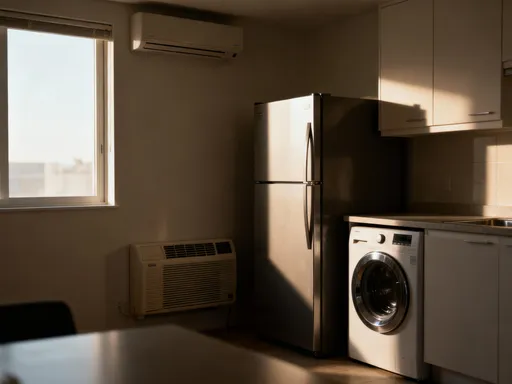
You don’t need a huge budget to upgrade your home appliances — just smart timing and sharper decisions. I recently replaced my fridge, washer, and AC, and learned a lot about spotting trends, avoiding impulse buys, and making money-smart choices. It wasn’t just about saving cash; it was about investing wisely in gear that lasts. Here’s how I balanced cost, quality, and timing to make upgrades that actually added value — without turning into a financial headache.
The Upgrade Trap: Why Most People Overspend on Appliances
Home appliance upgrades often begin with good intentions — a broken refrigerator, a noisy washer, or a struggling air conditioner. But what starts as a necessary replacement can quickly spiral into an unexpected financial burden. Many homeowners fall into the upgrade trap, paying far more than they should due to poor timing, emotional decision-making, or misleading marketing. The reality is that most appliance purchases are not driven by logic but by urgency, convenience, or the allure of the latest model. This misalignment between need and action leads to overspending, and understanding why this happens is the first step toward smarter financial behavior.
One of the most common reasons people overspend is the pressure of immediate need. When an appliance fails, especially during a busy week or extreme weather, the desire for a quick fix overrides careful planning. Retailers understand this vulnerability and often position their sales teams to emphasize fast solutions rather than cost-effective ones. For example, a salesperson might push a high-end refrigerator with Wi-Fi connectivity and a built-in camera, suggesting it’s the best choice for modern families — even though most users will never use those features. This type of upselling takes advantage of stress and lack of research, turning a simple replacement into a premium purchase.
Another major contributor to overspending is the misconception that brand name equals quality. While some premium brands do offer reliable performance and strong customer service, many mid-tier manufacturers deliver nearly identical functionality at a fraction of the cost. The difference in materials and engineering is often minimal, yet the price gap can be hundreds of dollars. Consumers pay not just for the product but for the brand’s reputation, marketing campaigns, and perceived status. This psychological premium adds no real value to the appliance’s performance but significantly increases the financial burden on the buyer.
Bundled financing options also play a role in inflating costs. Many stores offer “no interest for 24 months” or “same as cash” deals that seem attractive at first glance. However, these plans often come with strict conditions — if the balance isn’t paid in full by the deadline, interest is retroactively applied from the purchase date. This can result in unexpectedly high charges, especially if the buyer experiences a temporary cash flow issue. Additionally, applying for store credit can trigger a hard inquiry on the buyer’s credit report, potentially lowering their score and affecting future borrowing ability. These hidden costs make what seems like a smart financial move into a risky one.
Emotional decision-making further distorts the process. A shiny new appliance can feel like a symbol of progress, comfort, or success — especially when replacing something old and inefficient. But allowing emotion to drive the purchase often means prioritizing aesthetics or novelty over durability and value. For instance, a stainless steel finish may look modern, but it shows fingerprints and scratches easily, requiring more maintenance than simpler finishes. Similarly, smart features that connect to apps may become obsolete within a few years as technology evolves, leaving the owner with a costly paperweight. Recognizing these emotional triggers helps buyers separate real utility from superficial appeal.
Ultimately, the upgrade trap thrives on a lack of preparation. Without a clear understanding of market prices, timing, and personal needs, even well-intentioned buyers can end up overpaying. The solution lies not in avoiding upgrades altogether but in approaching them with strategy and discipline. By identifying the psychological and financial pitfalls that lead to overspending, consumers can shift from reactive decisions to proactive planning — ensuring that each appliance investment supports long-term financial health rather than undermining it.
Reading the Market: How to Spot the Right Time to Buy
Timing is one of the most powerful tools in smart appliance shopping — yet it’s often overlooked. Prices for major home appliances are not fixed; they fluctuate based on seasonal demand, retail cycles, and manufacturer release schedules. Those who understand these patterns can save hundreds, sometimes even over a thousand dollars, simply by waiting for the right moment to buy. Unlike impulse purchases made during emergencies, strategic timing allows buyers to take control of the process, compare options, and negotiate better deals — turning a necessary expense into a value-driven investment.
One of the most reliable times to purchase appliances is during major holiday sales events. Black Friday, Memorial Day, and Labor Day are known for deep discounts on refrigerators, washers, dryers, and air conditioners. Retailers use these holidays to clear out old inventory and make room for new models, offering promotions that may include price reductions, free delivery, or bundled rebates. For example, a refrigerator that typically sells for $1,400 might drop to $1,100 during a Memorial Day sale, with free installation included. These savings add up quickly, especially when multiple appliances are being replaced at once.
Another key indicator is the model refresh cycle. Manufacturers typically release updated versions of their appliances in the spring and fall. When a new model is introduced, the previous year’s version is marked down to make space in warehouses and showrooms. This creates a window of opportunity for budget-conscious shoppers. Buying last year’s model can yield significant savings — often 15% to 30% off the original price — without sacrificing performance. In many cases, the differences between model years are minor, such as a slight change in control panel design or energy rating improvements that don’t drastically affect real-world usage.
End-of-season clearance events also present excellent buying opportunities. Air conditioners, for instance, are heavily discounted in the late summer and early fall when demand drops. Similarly, heating units and furnaces see price reductions in the spring after the winter heating season ends. These seasonal shifts reflect basic supply and demand economics — retailers would rather sell at a lower margin than store unsold inventory for another year. Buyers who plan ahead can capitalize on these trends by purchasing off-season and storing the appliance until needed, or arranging for delayed delivery.
Energy rebate programs add another layer of savings potential. Many utility companies and government agencies offer rebates for purchasing energy-efficient appliances, particularly those with ENERGY STAR certification. These rebates can range from $50 to $200 per unit and are often available year-round. Some programs even provide additional incentives for recycling old appliances, effectively turning disposal into a source of income. Staying informed about local and national rebate opportunities requires minimal effort — a quick search on utility provider websites or a phone call to customer service can uncover valuable discounts that many consumers never claim.
Tracking price trends online has also become easier with the rise of price comparison tools and alert systems. Websites like Consumer Reports, Wirecutter, and major retailers’ price trackers allow users to monitor historical pricing data and set notifications for when an item drops below a target price. This data-driven approach removes guesswork and helps buyers avoid paying too much. For example, if a dishwasher has consistently sold for $800 but drops to $650 during a sale, a price alert can notify the buyer instantly, ensuring they don’t miss the deal. Over time, this kind of awareness builds financial confidence and reinforces disciplined spending habits.
Ultimately, reading the market is about patience and preparation. It requires stepping back from immediate needs and viewing appliance purchases as part of a longer-term financial plan. By aligning purchases with seasonal trends, model cycles, and rebate programs, buyers can make smarter decisions that reflect both value and timing. This strategic mindset transforms appliance shopping from a stressful chore into a calculated opportunity — one where savings are not accidental but intentional.
Energy Efficiency vs. Upfront Cost: The Long-Term Payoff
When shopping for new appliances, one of the most important financial decisions is balancing upfront cost against long-term energy savings. Modern appliances are marketed as energy-efficient, promising lower utility bills and environmental benefits. While these claims are often valid, they don’t automatically mean that a more expensive model is the better financial choice. The key is understanding how much you’ll actually save over time and whether those savings justify the higher initial investment. This calculation turns emotional appeals into practical analysis, helping buyers make choices that benefit both their wallets and their homes.
Energy efficiency is typically measured by the ENERGY STAR rating, a government-backed label that identifies appliances meeting strict energy performance standards. For example, an ENERGY STAR-certified refrigerator uses about 15% less energy than a non-certified model, while an efficient washing machine can save up to 25% on water and electricity per load. These savings may seem small on a monthly basis, but they accumulate significantly over the appliance’s lifespan, which can be 10 to 15 years or more. A refrigerator that costs $200 more but saves $30 per year in electricity will break even in less than seven years — after which, every dollar saved is pure financial gain.
However, not all efficiency upgrades deliver the same return on investment. Some high-end models come with premium features that increase the price without contributing to energy savings. For instance, a smart oven with Wi-Fi connectivity and voice control may cost $500 more than a standard model but offer no improvement in energy efficiency. In such cases, the buyer pays for convenience, not savings. To avoid this pitfall, it’s essential to focus on the core efficiency metrics — such as annual kilowatt-hours (kWh) consumption — rather than being swayed by secondary features. The yellow EnergyGuide label, required on most appliances in the U.S., provides a clear estimate of yearly operating costs, making it easier to compare models side by side.
The real financial benefit of energy-efficient appliances becomes most apparent in high-usage scenarios. A family of four running the washing machine five times a week will see much greater savings from an efficient model than a single person using it once a week. Similarly, a home in a hot climate that runs the air conditioner for six months a year will benefit more from a high-efficiency unit than one in a milder region. This means that the value of energy savings depends on individual usage patterns. Buyers should estimate their expected usage and calculate potential savings accordingly, rather than relying on generic marketing statements.
Another factor to consider is inflation in energy prices. Historically, electricity and gas costs have risen over time, meaning that today’s modest savings could be worth much more in the future. A refrigerator that saves $25 per year now might save $40 or more in a decade if utility rates increase. This long-term perspective strengthens the case for investing in efficiency, especially for appliances that run continuously, like refrigerators and freezers. Even a small improvement in efficiency can yield substantial returns when compounded over years of use.
It’s also important to recognize that older appliances are often energy hogs. A refrigerator from the early 2000s can use two to three times more electricity than a modern efficient model. Replacing such units almost always makes financial sense, even after accounting for the purchase price. In some cases, utility companies offer additional rebates specifically for replacing very old, inefficient appliances, further improving the return on investment. These programs are designed to reduce overall energy demand and lower carbon emissions, but they also serve as direct financial incentives for homeowners.
Ultimately, the decision to pay more for energy efficiency should be based on data, not assumptions. By calculating the break-even point — the time it takes for energy savings to cover the price difference — buyers can make informed choices. If the break-even occurs within a reasonable timeframe, say five to seven years, and the appliance is expected to last longer, the investment is sound. If not, a less expensive, moderately efficient model may be the smarter choice. This approach ensures that spending aligns with actual financial benefit, turning energy efficiency from a buzzword into a measurable advantage.
Financing the Upgrade: Smart Options vs. Costly Traps
Not everyone has the cash on hand to pay for appliance upgrades in full, and that’s okay. Financing can be a practical solution when used wisely. However, not all financing options are created equal. Some can help spread the cost without adding financial strain, while others can lead to long-term debt and unexpected expenses. Understanding the differences between available options — from store credit to personal loans — is crucial for making a decision that supports financial stability rather than undermining it.
One of the most common financing methods offered at retail stores is “no interest if paid in full within 12 or 24 months.” On the surface, this sounds ideal — pay nothing extra as long as the balance is cleared on time. But the danger lies in the fine print. If the full amount isn’t paid by the deadline, the interest is applied retroactively from the original purchase date. This means a $1,200 refrigerator could suddenly accrue $200 or more in interest if the final payment is missed by even a few days. This trap catches many well-meaning buyers who face unexpected expenses or forget the deadline. To avoid this, buyers must treat these plans like a strict savings goal — setting up automatic payments or calendar reminders to ensure the balance is cleared on time.
Store credit cards often come with high interest rates — sometimes exceeding 25% — if the promotional period is missed or if a balance remains. They may also reduce the buyer’s average credit age and increase credit utilization, both of which can negatively impact credit scores. While the immediate discount (such as 10% off for signing up) may seem appealing, the long-term cost can outweigh the benefit. It’s generally better to avoid opening new credit accounts unless absolutely necessary and to use existing credit with lower rates if financing is required.
Personal loans from banks or credit unions offer a more transparent alternative. These loans typically have fixed interest rates and set repayment terms, making it easier to budget monthly payments. Since the interest is not retroactive, there’s no surprise charge if the loan is paid off late. Additionally, personal loans do not require opening a new retail account, preserving the buyer’s credit profile. For larger appliance purchases, a three- or five-year loan at a reasonable rate can make the upgrade affordable without creating financial stress.
Another smart approach is saving up in advance. By setting aside a small amount each month in a dedicated appliance fund, buyers can pay in cash when the time is right. This eliminates interest entirely and gives the buyer full control over the purchase. Even saving $50 per month adds up to $600 in a year — enough to cover a significant portion of most appliance costs. This method also encourages thoughtful decision-making, as the time spent saving allows for research, price comparison, and timing the market.
Ultimately, the best financing strategy depends on individual financial circumstances. Those with good credit and stable income may benefit from a short-term promotional plan, as long as they are disciplined about repayment. Others may prefer the predictability of a personal loan or the peace of mind that comes with paying in cash. The key is to avoid options that carry hidden fees, retroactive interest, or long-term debt. By choosing financing carefully, appliance upgrades can remain a manageable part of a household budget rather than a source of financial strain.
Brand, Model, or Features? What Actually Matters
With dozens of brands, models, and features available, choosing the right appliance can feel overwhelming. Marketing messages often emphasize innovation, luxury, or smart technology, suggesting that the most advanced model is the best choice. But in reality, many of these features offer little practical benefit and come at a steep price. To avoid overspending, buyers must focus on what truly matters: reliability, durability, warranty, and service availability. These factors have a far greater impact on long-term satisfaction than flashy extras that may become obsolete in a few years.
Brand reputation can be a useful starting point, but it shouldn’t be the sole deciding factor. Premium brands like Bosch, LG, or Samsung often deliver strong performance, but so do lesser-known or store-brand models from manufacturers like Whirlpool, GE, or Frigidaire. Independent reviews from organizations like Consumer Reports consistently show that mid-tier brands perform nearly as well as premium ones in reliability tests. In some cases, the same factory produces appliances for multiple brands, meaning the internal components are identical despite different labels and price tags. This practice, known as “badge engineering,” allows companies to charge more for branding while offering the same functionality.
Features are another area where buyers can easily overspend. Touchscreen controls, Wi-Fi connectivity, voice assistant integration, and built-in cameras may sound impressive, but their real-world utility is limited. A refrigerator with a camera that lets you see inside from your phone might seem convenient, but how often will you actually use it? And what happens when the app is discontinued or the system fails? These high-tech features often increase repair costs and reduce longevity, as replacement parts may be expensive or unavailable after a few years. In contrast, simple mechanical controls are easier to maintain and less prone to failure.
Instead of chasing the latest features, buyers should prioritize core functionality. For a washing machine, this means a reliable motor, effective cleaning performance, and a sturdy drum. For a refrigerator, it’s consistent cooling, humidity-controlled compartments, and easy-to-clean interiors. For an air conditioner, it’s quiet operation, efficient airflow, and proper sizing for the space. These fundamentals determine daily performance and long-term satisfaction far more than any smart feature ever could.
Warranty and customer service are also critical. A longer warranty — especially one that covers parts and labor for five years or more — provides financial protection and peace of mind. Equally important is the availability of local service technicians. A premium brand may offer excellent products, but if repairs require shipping parts from another country or waiting weeks for a technician, the inconvenience can outweigh the benefits. Reading customer reviews with a critical eye — focusing on long-term reliability and service experiences — helps identify which models truly deliver value.
Ultimately, the best appliance is not the most expensive or the most advanced, but the one that performs consistently, lasts for years, and is easy to maintain. By focusing on durability, warranty, and real-world performance, buyers can make choices that stand the test of time — and avoid the regret of paying for features they’ll never use.
Resale, Trade-Ins, and Recycling: Turning Old Gear into Value
When upgrading appliances, many people assume their old units have no value. They schedule a haul-away service, pay a disposal fee, and move on. But this mindset overlooks a valuable opportunity to reduce the net cost of the upgrade. Older appliances, even if no longer suitable for primary use, can still hold residual value through trade-in programs, recycling rebates, or resale. By exploring these options, buyers can turn what seems like a cost into a source of savings — sometimes recovering hundreds of dollars that directly offset the new purchase.
Trade-in programs offered by retailers are one of the most convenient ways to extract value. Major home improvement and appliance stores often run promotions where they provide a discount — typically $50 to $200 — for old appliances when purchasing a new one. These programs are especially common during seasonal sales and energy rebate events. The retailer then handles disposal or refurbishment, simplifying the process for the buyer. While the trade-in amount may not reflect the full market value, the convenience and immediate discount make it a practical choice for many households.
Recycling rebates from utility companies add another layer of savings. Many energy providers offer cash incentives — sometimes up to $100 — for recycling old refrigerators, freezers, or air conditioners. These programs aim to remove inefficient appliances from the grid, reducing overall energy consumption. The process is usually simple: the utility schedules a pickup, removes the appliance at no cost, and mails a rebate check. In some cases, they may even offer additional discounts on the purchase of a new, efficient model. These programs are often underutilized, yet they represent a direct financial benefit for environmentally responsible behavior.
For those willing to put in more effort, reselling used appliances can yield higher returns. Online marketplaces like Facebook Marketplace, Craigslist, and OfferUp have active buyer communities looking for affordable, working appliances. A refrigerator or washer that still functions well can sell for $200 to $500, depending on brand, age, and condition. Cleanliness, clear photos, and honest descriptions are key to successful sales. Offering delivery or pickup flexibility can also increase buyer interest. While reselling takes time and effort, the financial return can be significantly higher than trade-in or recycling options.
Even non-working appliances may have value. Some scrap metal recyclers accept old appliances for their copper, aluminum, and steel content. While the payout is modest — usually $10 to $50 depending on weight and material — it’s still better than paying for disposal. Additionally, removing reusable parts like motors or compressors before scrapping can create opportunities for DIY enthusiasts or repair shops.
By treating old appliances as assets rather than waste, buyers can significantly reduce the total cost of ownership. Every dollar recovered is a dollar not spent, improving the overall financial outcome of the upgrade. This mindset shift — from disposal to value extraction — is a hallmark of smart financial management and sustainable living.
Building a Long-Term Appliance Strategy: Beyond the One-Time Swap
Smart appliance upgrades should not be viewed as isolated events but as part of a broader home financial strategy. Appliances are long-term investments, often lasting a decade or more, and their performance affects daily life, energy bills, and home value. By adopting a proactive, long-term approach, homeowners can avoid emergency purchases, maximize savings, and make decisions with confidence. This shift from reactive to strategic thinking transforms appliance management into a predictable, manageable aspect of household planning.
A key component of this strategy is forecasting. Keeping a record of when each appliance was purchased, its expected lifespan, and maintenance history allows for accurate replacement planning. For example, knowing that a dishwasher typically lasts 9 to 12 years helps anticipate when it will need replacing. This foresight enables gradual saving, market research, and timing purchases for optimal deals. It also reduces the stress of sudden breakdowns, as the owner is already prepared for the eventual swap.
Budgeting annually for appliance maintenance and eventual replacement is another best practice. Setting aside $100 to $200 per year in a dedicated fund ensures that funds are available when needed. This small, consistent effort prevents the need for emergency financing or debt when an appliance fails. Over time, this habit builds financial resilience and reinforces disciplined money management.
Aligning upgrades with home efficiency goals further enhances value. Replacing appliances in coordination with other improvements — such as insulation, windows, or solar panels — can amplify energy savings and increase overall home performance. For example, upgrading to efficient appliances at the same time as installing solar panels ensures that the new energy system is matched with low-consumption devices, maximizing return on investment.
Finally, developing the skill of trend judgment — recognizing pricing cycles, technological shifts, and market opportunities — empowers homeowners to make informed decisions. This knowledge doesn’t come overnight but grows with experience and attention. Over time, buyers become more confident, less influenced by marketing, and better equipped to separate real value from hype.
In the end, upgrading appliances doesn’t have to be a financial burden. With the right strategy, it can be a smart, rewarding investment that improves comfort, efficiency, and long-term financial health. By focusing on timing, value, and planning, homeowners can make upgrades that truly work — for their homes and their budgets.