Tired of feeling overwhelmed by daily chaos? This simple tool brought my rhythm back
Have you ever started the day with good intentions, only to find yourself exhausted by 8 PM, unsure where the time—or money—went? I was there too, juggling work, meals, errands, and personal goals, constantly feeling one step behind. Then I began tracking my spending—not to cut lattes, but to understand my day. What I discovered surprised me: my finances weren’t the real story. My spending patterns revealed when I was most focused, when I made impulsive choices, and when I truly recharged. It became a mirror for my daily rhythm. And what I saw helped me rebuild a life that finally felt in sync.
The Morning Rush That Never Ends
Let’s be honest—most of us don’t wake up like wellness influencers with calm meditation and green smoothies. My mornings used to be a blur of hitting snooze, scrambling to get the kids ready, and rushing out with toast in hand. And more often than not, I’d stop for coffee on the way. Not because I loved it that much, but because I needed something to wake me up and get me through the first few hours. I didn’t think twice about it. It was just part of the routine—until I started tracking every dollar.
When I began logging my expenses in a simple app, I noticed something interesting: every morning I skipped breakfast, I ended up buying coffee. Not just coffee—sometimes a muffin, a pastry, even a protein bar I didn’t really want. It wasn’t the cost of the coffee that surprised me. It was the pattern. No breakfast meant more spending, more stress, and a mood that stayed frazzled until lunch. I realized I wasn’t just paying for caffeine—I was paying for poor planning.
So I tried something small: I started making overnight oats. Just one jar, prepped the night before. No fancy ingredients—oats, milk, a spoon of peanut butter, and some banana slices. The next morning, I skipped the coffee shop. I wasn’t trying to save money at first, but I did—about $5 a day, which adds up. But more than that, I felt different. Calmer. More in control. I had time to pack lunches, answer a few emails, and actually say good morning to my kids without rushing. That one small change didn’t just affect my wallet—it changed the tone of my entire day.
What I learned is that our spending isn’t random. It’s often a reaction to how we’re feeling or how our morning unfolded. When we’re rushed, we make quick decisions—many of which cost us more than just money. But when we slow down even a little, we create space to make better choices. And those choices compound. Now, if I see a coffee purchase in my log on a weekday, I ask myself: did I eat breakfast? Was I running late? That tiny reflection helps me adjust before the rest of the day spirals.
How a Simple Log Became My Daily Compass
At first, tracking my spending felt like another chore. Another app to open, another box to check. I’d forget to log things, or I’d feel guilty when I saw how much I’d spent on takeout. But after about a week, something shifted. I started noticing patterns that had nothing to do with money and everything to do with my inner world. For example, I realized that on days when I worked late or had a tough meeting, I was more likely to order dinner online—even if I had food at home. Not because I was hungry, but because I was drained.
One Thursday, I logged three different delivery orders in one night. I paused and asked myself: why? I hadn’t taken a break all day. I skipped my walk. I didn’t call my sister like I promised. I was emotionally depleted, and the food wasn’t about nourishment—it was comfort. That moment was a wake-up call. My spending wasn’t just a financial record. It was a diary of my energy, my mood, and my unmet needs.
Instead of beating myself up, I started using the log as a tool for curiosity. When I saw an impulse buy, I’d ask: what was I feeling? Was I tired? Lonely? Overwhelmed? This simple question changed everything. I wasn’t tracking to punish myself—I was tracking to understand myself. And the more I understood, the more I could make changes that felt kind, not restrictive.
For instance, I started scheduling a 15-minute walk after work. Not for fitness—just to transition from work mode to home mode. I also began setting a ‘no shopping’ rule after 8 PM, when my willpower was lowest. These weren’t rigid rules. They were gentle boundaries based on what I was learning from my own behavior. Over time, my spending became steadier, not because I had more discipline, but because I was more in tune with myself.
Aligning Spending with Energy Peaks
One of the most surprising discoveries from my spending log was how closely my financial decisions were tied to my energy levels. I noticed that on mornings when I felt sharp and focused—usually between 9 and 11 AM—I made thoughtful purchases. I compared prices, read reviews, and waited for sales. But in the late afternoon, especially after 4 PM, I was more likely to click ‘buy now’ without thinking. That’s when I ordered things I didn’t need—like a second pair of black leggings or a kitchen gadget I’d never use.
It hit me: I wasn’t overspending because I wanted more stuff. I was overspending because my energy was low, and my brain was looking for a quick dopamine hit. Once I recognized this, I started reshaping my schedule to protect my peak energy times. I moved my most important tasks—like planning meals, reviewing bills, or shopping for groceries—to the morning. I saved meetings and emails for later in the day, when I knew my focus would naturally dip.
Even grocery shopping changed. I used to go after work, tired and hungry, which led to buying things I didn’t need—snacks, sugary drinks, frozen meals. Now, I go on Saturday mornings after a good breakfast. I stick to a list, and I rarely go off track. That one shift saved me hundreds a year and reduced food waste in our home. But more than that, it gave me back a sense of control. I wasn’t fighting my body’s rhythm—I was working with it.
This idea of energy alignment isn’t about being productive all the time. It’s about being intentional. When we do the right things at the right time, we don’t have to rely on willpower. We make better decisions naturally. And that applies to money, time, and emotional well-being. My spending log became a map of my energy, helping me plan my week in a way that felt sustainable, not stressful.
The Hidden Link Between Purchases and Peace
There was a night I’ll never forget. I’d had a long day, my youngest was sick, and I hadn’t slept well. Around 9 PM, I found myself clicking through an online store, adding things to my cart—pajamas, a candle, a book I already owned. I paused before checking out and asked: what am I really looking for? The answer came quickly: comfort. Connection. A break from the noise.
I realized I wasn’t shopping because I needed new things. I was shopping because I was emotionally exhausted and hadn’t taken a moment to care for myself. That night, I closed the laptop, made a cup of chamomile tea, and sat by the window for 10 minutes. It wasn’t glamorous, but it helped. I felt calmer. More like myself.
That moment taught me something powerful: many of our purchases aren’t about the item. They’re about the feeling we hope it will bring. We buy clothes to feel confident. We order food to feel cared for. We shop to feel in control. But when we address the root need directly—through rest, connection, or stillness—we often don’t need the purchase at all.
So I started building small rituals to meet those needs without spending. When I feel lonely, I call a friend instead of browsing. When I’m overwhelmed, I light a candle and breathe for two minutes. When I need a reset, I take a bath or play my favorite playlist. These aren’t grand gestures, but they fill the same emotional space that shopping used to. And over time, my spending slowed—not because I was depriving myself, but because I was finally giving myself what I truly needed.
Building a Routine That Works With Me, Not Against Me
With these insights, I began redesigning my week—not to be more ‘efficient,’ but to be more in harmony with who I am. I stopped scheduling everything based on convenience and started planning around energy. For example, I used to run errands on my way home from work, even if I was tired. Now, I group them by how much energy they require. Grocery shopping and pharmacy runs happen on Saturday mornings, when I’m fresh. Post office and dry cleaning go on slower afternoons, when I don’t need to think much.
I also built in ‘pause moments’—short breaks after known trigger times. For example, right after I log off work, I take five minutes to stretch, drink water, and transition. Without that pause, I used to default to mindless scrolling or online shopping. Now, that time is a buffer between work and home, helping me show up more present for my family.
One of my favorite changes is the ‘slow evening’ ritual. After dinner, I turn off notifications, put my phone in another room, and do something low-key—journaling, reading, or listening to music. No screens, no shopping, no pressure to be productive. This simple habit has reduced my late-night spending dramatically and improved my sleep. More importantly, it’s given me back a sense of peace at the end of the day.
These routines aren’t perfect. Some days, I still rush. Some nights, I still click ‘buy now.’ But having a rhythm helps me reset faster. I don’t see slip-ups as failures—I see them as feedback. And that mindset shift has made all the difference. I’m not fighting against myself anymore. I’m moving with my natural flow.
Sharing the Rhythm: A Calmer Home, A Kinder Me
As my own rhythm stabilized, I noticed changes in my home. Fewer last-minute takeout orders meant more home-cooked meals. Less clutter from online shopping meant more physical space and less stress. My kids started noticing, too. They’d say, ‘Mom, you’re not on your phone as much,’ or ‘We’re eating together more.’
I began sharing what I was learning—not as advice, but as stories. I told my husband how tracking my spending helped me see when I was emotionally drained. He started noticing his own patterns. We began planning weekends not around what we could do, but around how we wanted to feel. If we were tired, we’d stay in. If we needed energy, we’d go for a hike. Our weekends became more intentional, less frantic.
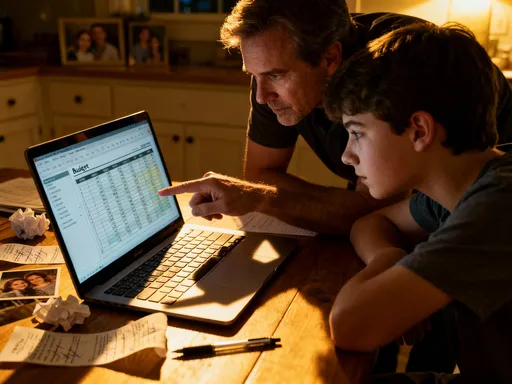
Even our budget conversations changed. Instead of arguing about money, we started talking about values. What did we want our money to support? More family time? Less stress? Better health? Those conversations brought us closer. We started making decisions together—not out of fear or guilt, but out of care.
What began as a personal spending log became a family rhythm guide. We didn’t need strict rules or rigid budgets. We just needed awareness. And that awareness created space—for connection, for rest, for joy. Our home became calmer, not because we did less, but because we were more present in what we did.
The Quiet Power of Small Awarenesses
Looking back, I didn’t need a dramatic transformation. I didn’t need to quit my job, move to the countryside, or follow a 5 AM routine. What I needed was small, consistent awareness. Tracking my spending didn’t just help me save money—it gave me back my time, my energy, and my peace of mind. It taught me that true efficiency isn’t about doing more. It’s about aligning with yourself.
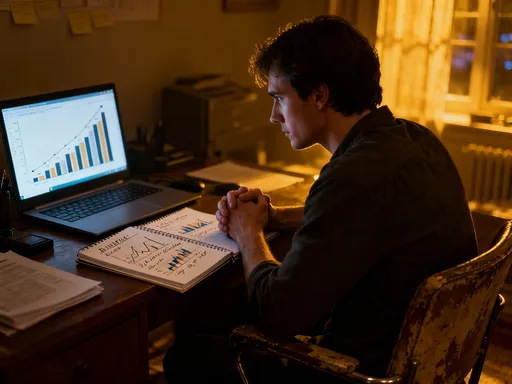
Today, I still log my expenses every night. Not because I have to, but because I want to. It’s become my daily check-in, a quiet moment to reflect on how I’m doing—not just financially, but emotionally and energetically. That few minutes of review helps me close the day with clarity instead of chaos.
In a world that never stops moving, that moment of stillness is priceless. It reminds me that I’m not behind. I’m not failing. I’m learning, growing, and becoming more in tune with my life. And that, more than any purchase, is the greatest gift I’ve given myself.
If you’re feeling overwhelmed, I invite you to try this: start tracking your spending, not to judge, but to understand. Look for patterns. Ask gentle questions. Let the numbers tell you a story—not about waste, but about your rhythm. You might discover, as I did, that the key to a calmer, more joyful life isn’t doing more. It’s seeing more. And sometimes, all it takes is one small habit to bring your whole world back into balance.