Lost in the Desert Bloom: Ashgabat’s Wild Side Uncovered
You know what I didn’t expect in Ashgabat? Nature fighting back in the most beautiful way. Between the marble buildings and wide boulevards, I found blooming deserts, hidden oases, and mountains that’ll take your breath away. This city isn’t just concrete — it’s alive. If you’re chasing authentic landscapes where nature and culture quietly coexist, Ashgabat’s natural spaces will shock you in the best way. Far from the image of a sterile, futuristic capital, the Turkmenistan capital reveals a softer, wilder soul when you look beyond the polished facades. Here, life persists — not in spite of the desert, but because of it.
Arrival in Ashgabat: First Impressions vs. Natural Reality
Touching down at Ashgabat International Airport, visitors are immediately struck by the city’s surreal aesthetic. Gleaming white marble structures reflect the sun’s early light, lining broad avenues that stretch like ribbons across an arid plain. The capital of Turkmenistan is often described as a modern architectural experiment — orderly, pristine, and seemingly untouched by time. It’s a city built with intention, where symmetry and grandeur dominate the skyline. At first glance, it appears to be a place engineered more for appearance than authenticity, a capital defined by monuments rather than moments.
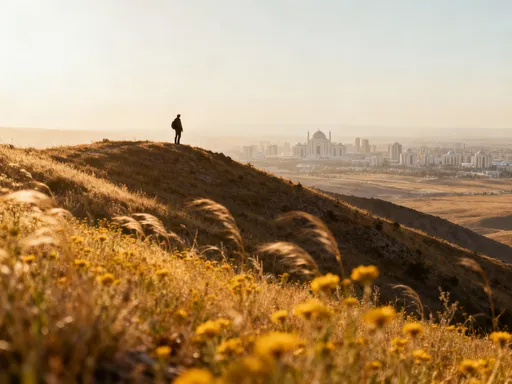
Yet, just minutes beyond the city center, the narrative shifts. The desert does not retreat; it reclaims. Along the roadside, bursts of wildflowers paint the sandy soil in soft purples and yellows during spring. Dusty hills rise in the distance, their slopes dotted with hardy shrubs and the occasional saxaul tree. The air, though dry, carries a crispness that signals something alive beneath the surface. Ashgabat’s natural reality is not an afterthought — it is a constant presence, quietly shaping the rhythm of life. Residents speak of the desert with respect, not fear, acknowledging its role as both a challenge and a companion.
This duality defines the city’s essence. While urban planning has created a visually striking metropolis, the surrounding landscape refuses to be tamed. Parks are meticulously maintained, yet beyond their borders, nature follows its own rules. The contrast is not jarring — it’s harmonious. For the observant traveler, Ashgabat offers a rare opportunity: a capital city where human ambition and natural resilience exist in quiet dialogue. It’s a place where marble meets sand, and beauty emerges from both.
The Karakum Desert: More Than Just Sand and Silence
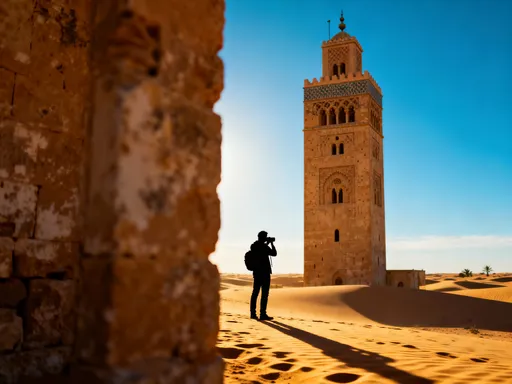
Enclosing over 70% of Turkmenistan, the Karakum Desert is not a barren void but a living, breathing ecosystem shaped by extremes. Its name, derived from Turkic words meaning “black sand,” refers not to color but to the treacherous, life-draining nature early travelers experienced when crossing it. Yet today, those who venture into its southern edges near Ashgabat discover a landscape rich in subtle beauty and quiet resilience. The desert is not silent — it whispers in the wind, hums in the heat, and glows under star-strewn skies.
By day, the sun dominates, baking the land in golden light. Temperatures can soar, making midday excursions unwise, but early mornings and late afternoons reveal the Karakum at its most inviting. Shadows stretch across dunes, highlighting their ever-changing contours. Hardy plant life — such as the saxaul, which draws moisture from deep underground — anchors the shifting sands. These plants are more than survivors; they are lifelines for insects, birds, and small mammals that have adapted to the harsh conditions.
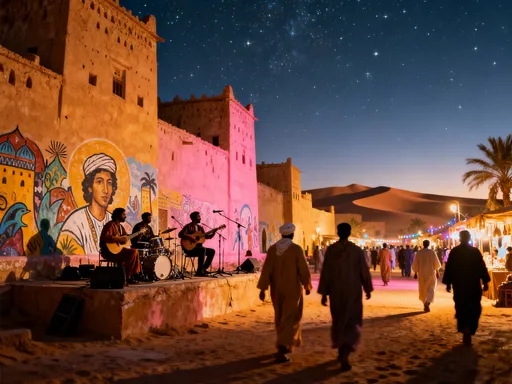
At night, the desert transforms. The heat dissipates quickly, giving way to cool, still air and a sky so clear it feels within reach. The absence of light pollution allows the Milky Way to stretch across the horizon in brilliant detail. For visitors, this is a moment of profound peace — a reminder of how small we are in the vastness of nature. Local guides often share stories of ancient trade routes that once crossed these sands, linking Central Asia with Persia and beyond. Though few traces remain, the sense of history lingers in the quiet.
Short guided excursions into the desert’s edge offer a safe and enlightening experience. Visitors can walk among dunes, observe desert flora up close, and learn how communities have lived alongside this environment for generations. The Karakum is not a place to conquer — it is a place to witness, to respect, and to understand. It teaches patience, presence, and appreciation for life in its most enduring forms.
Kopet Dag Foothills: Where the City Meets Wild Greenery
To the south of Ashgabat, the Kopet Dag mountain range rises like a natural barrier between the city and the Iranian border. These foothills, easily accessible within a 30-minute drive, provide the most immediate escape into nature for residents and visitors alike. Unlike the stark openness of the Karakum, the Kopet Dag offers sheltered valleys, rocky outcrops, and pockets of green that flourish with seasonal rains. In spring, the slopes come alive with wildflowers — tulips, irises, and poppies — painting the terrain in vibrant hues.
Hiking here does not require technical skill, making it ideal for families and casual explorers. Well-worn trails wind through low vegetation, offering panoramic views of Ashgabat below and the desert beyond. The air feels different — cooler, cleaner, carrying the scent of dry earth and sun-warmed stone. Birdsong breaks the silence, and lizards dart between rocks, perfectly camouflaged against the terrain. For many locals, these hills are a weekend sanctuary, a place to disconnect from urban routines and reconnect with the land.
Weekend picnics are common, with families gathering in shaded areas to grill fish or stew meat over small fires. They sip hot tea from thermoses, wrapped in scarves against the mountain breeze. Children climb boulders with carefree energy, while elders sit quietly, watching the horizon. These moments are not staged for tourists — they are part of daily life, a cultural rhythm tied to the seasons and the land. The Kopet Dag is not a destination for adrenaline; it is a space for stillness, reflection, and simple pleasures.
Conservation efforts in the region focus on protecting native plant species and preventing erosion from unregulated foot traffic. Some areas are designated as protected zones, where development is restricted to preserve ecological balance. Visitors are encouraged to stay on marked paths and avoid disturbing wildlife. Even as the city expands, the foothills remain a vital green lung, reminding Ashgabat of its connection to the natural world.
Ancient Oases and Modern Parks: Nature with a Human Touch
Ashgabat’s relationship with nature is not limited to wild spaces — it is also woven into the city’s urban fabric. Thoughtfully designed parks offer residents daily access to greenery, shade, and fresh air. Berkararlyk Park, one of the largest, features wide lawns, flowerbeds, and fountains that sparkle in the sunlight. Families stroll along paved paths, children play on modern playgrounds, and couples sit on benches beneath palm trees. These spaces are not just decorative — they are functional, social, and deeply valued.
Similarly, Aşgabat Park in the city center serves as a gathering place for relaxation and recreation. Joggers circle the main paths, while older residents practice tai chi or play board games under shaded pavilions. The integration of water features helps cool the air during hot months, making these parks essential oases in their own right. Though meticulously landscaped, they do not feel artificial — they feel lived-in, loved, and necessary.
Beyond the modern parks, remnants of ancient oases hint at centuries of human adaptation to the desert. Near historic settlements on the city’s outskirts, underground karez systems — networks of gently sloping tunnels that tap into groundwater — once sustained agriculture and community life. These ingenious irrigation methods, developed over 2,000 years ago, allowed green pockets to flourish in otherwise inhospitable terrain. Though many are no longer in use, their traces remain in the landscape, a testament to human ingenuity and cooperation with nature.
Today, some of these areas are being studied for sustainable water management practices. Researchers and urban planners look to the past for inspiration in addressing modern challenges like water scarcity and urban heat. The fusion of ancient wisdom and contemporary design is evident in Ashgabat’s approach to green spaces — not as luxuries, but as necessities for well-being and resilience. In a city surrounded by desert, every tree, every fountain, every patch of grass carries deeper meaning.
Wildlife and Plant Life: What Survives — and Thrives — in Extreme Conditions
The biodiversity surrounding Ashgabat may not rival tropical rainforests, but it is remarkable given the region’s extreme climate. Summers are scorching, winters can be cold, and rainfall is sparse — yet life persists. The desert fox, with its large ears and sandy coat, moves silently across the dunes at dusk, hunting rodents and insects. The Tolai hare, adapted to arid conditions, darts through scrubland with surprising speed. Reptiles, including several species of lizards and snakes, thrive in the heat, basking on sunlit rocks before retreating into shade.
Plant life is equally resilient. The camel thorn, a thorny shrub with deep roots, draws moisture from far below the surface. Saltwort, another drought-tolerant plant, grows in saline soils where few others can survive. These species are not merely surviving — they are foundational, stabilizing the soil and providing food and shelter for other organisms. In protected areas, conservationists monitor populations and work to prevent habitat loss from urban expansion and climate change.
Birdwatching is a growing interest among local nature enthusiasts. During spring and autumn migrations, the skies above Ashgabat see increased activity. Larks, wheatears, and even raptors pass through, using the foothills and river valleys as rest stops. Some species nest in rocky crevices or abandoned buildings, blending into the landscape with remarkable camouflage. While not a destination for rare bird sightings, the region offers quiet opportunities to observe nature’s rhythms.
What stands out is not spectacle, but endurance. There are no dramatic waterfalls or dense forests — just small, persistent forms of life that have learned to thrive with little. This understated resilience speaks to a deeper truth about the region: survival here is not about dominance, but adaptation. For visitors, recognizing these quiet victories — a flower blooming in sand, a bird calling at dawn — becomes a form of reverence.
How to Explore Responsibly: Practical Tips for Nature Lovers
Exploring Ashgabat’s natural spaces requires mindfulness and respect. The ecosystems here are fragile, shaped by millennia of adaptation to scarcity. Travelers should always stay on marked trails to avoid damaging vegetation or disturbing wildlife. Littering is not only harmful but culturally disrespectful — locals take pride in keeping public spaces clean, and visitors should do the same. Carrying out all waste, including biodegradable items, helps preserve the integrity of these environments.
Some areas, particularly in the Kopet Dag foothills and near the border, may require permits for access. It is essential to check regulations in advance and, when possible, travel with registered local guides. These professionals not only ensure safety but also provide valuable insights into the landscape, history, and customs. Guided tours often include transportation, water, and basic first aid, making them a reliable option for those unfamiliar with the region.
The best times to visit are during spring (March to May) and autumn (September to October), when temperatures are moderate and the landscape is at its most vibrant. Summer months can be extremely hot, especially in the desert, while winter nights in the mountains can be surprisingly cold. Layered clothing, sun protection, sturdy footwear, and plenty of water are essential for any excursion. A camera is highly recommended — not for filters or edits, but to capture the raw, unfiltered beauty of the moment.
Responsible travel also means respecting local customs. When encountering families picnicking or locals praying in quiet areas, maintain a respectful distance. Photography should be done discreetly, and permission should be sought before photographing people. Above all, approach these spaces with humility. The desert and mountains do not exist for entertainment — they are ancient, enduring, and deserving of care.
Why Ashgabat’s Natural Side Matters — and Who Should Experience It
Ashgabat challenges the assumption that cities in arid regions must be devoid of natural beauty. Its wild spaces are not anomalies — they are integral to the city’s identity. In a world increasingly defined by noise, speed, and artificial environments, Ashgabat offers a counterpoint: stillness, simplicity, and authenticity. Its natural landscapes do not shout for attention; they whisper, inviting those who listen to slow down and look closer.
This is a destination for travelers who seek more than photo opportunities. It is for those who find wonder in a single flower growing in sand, in the silhouette of a bird against a desert sky, in the quiet of a mountain dawn. You don’t need to be an experienced hiker or a seasoned adventurer — just curious, patient, and open to discovery. The rewards are not adrenaline rushes, but moments of clarity and connection.
For families, the city’s parks and nearby foothills offer safe, enriching experiences in nature. For older travelers, the gentle trails and peaceful settings provide a soothing alternative to crowded tourist hubs. For anyone feeling overwhelmed by modern life, Ashgabat’s wild edges offer a rare gift: space to breathe, to reflect, to remember what it feels like to be part of something larger.
In the end, Ashgabat’s natural side is not just about scenery — it is about resilience, balance, and the quiet persistence of life. It reminds us that beauty does not always come in obvious forms. Sometimes, it blooms where you least expect it, in the most unlikely of places. And when you find it, you realize it was worth the search all along.