You Won’t Believe What I Found in Lübeck’s Hidden Corners
Lübeck, Germany, is more than just old bricks and salty Baltic air—it’s a city where history quietly hums through cobbled lanes and unexpected charm hides in plain sight. I went looking for landmarks, but what I discovered were vibrant commercial pockets alive with local life, from cozy bakeries to tucked-away boutiques. This isn’t just a walk through a UNESCO site; it’s a journey into the heartbeat of a city that blends tradition and modern flair in ways you’d never expect. Beyond the postcard-perfect facades lies a living urban rhythm, where centuries-old buildings shelter contemporary dreams and daily commerce unfolds with warmth and authenticity. Lübeck doesn’t just preserve the past—it breathes life into it.
Stepping Into a Living Postcard – The Holstentor and Altstadt Vibe
Arriving in Lübeck feels like stepping into a painted scene from a bygone era, where time slows and every corner tells a story. The Holstentor, with its twin towers and Gothic arches, stands as a proud sentinel at the edge of the Altstadt, welcoming visitors into a city that has mastered the art of graceful aging. This red-brick landmark, once part of the medieval city walls, is more than a tourist attraction—it’s a symbol of resilience and continuity. Built in the 15th century as one of the original city gates, it has witnessed centuries of trade, transformation, and triumph. Today, it houses a museum that traces Lübeck’s evolution from a Hanseatic powerhouse to a modern cultural hub, but its true magic lies outside its walls.
Beyond the Holstentor, the Altstadt unfolds like a living postcard, its narrow cobbled streets winding between gabled merchant houses that lean slightly with age, as if sharing whispered secrets. As a designated UNESCO World Heritage site since 1987, the Altstadt is protected not as a museum piece, but as a functioning heart of urban life. Unlike some historic centers that feel preserved behind glass, Lübeck’s old town pulses with energy. The morning light catches the reflection of church spires in rain-slicked lanes, while the scent of fresh bread drifts from open bakery doors. Shopkeepers roll up metal shutters, arrange displays of handmade soaps or local honey, and exchange warm greetings with neighbors. It’s a rhythm built on familiarity and routine, where commerce is deeply personal.
What sets Lübeck apart is how seamlessly history integrates with modern daily life. The same streets once trod by merchants trading in salt, herring, and cloth now host florists, opticians, and cafés where mothers meet for mid-morning coffee. Historic buildings that once belonged to wealthy trading families now house small design studios, art galleries, and family-run restaurants. There’s no sense of theatrical reenactment—this is not a theme park version of the past. Instead, the city embraces its heritage while allowing it to evolve. The Altstadt isn’t frozen; it breathes, adapts, and remains deeply connected to the people who live and work within it. This authenticity is what makes a visit here so rewarding—you’re not just observing history, you’re walking through a community that honors it every day.
Exploring the Königstraße – Where Tradition Meets Trend
If the Altstadt is the soul of Lübeck, then Königstraße is its steady pulse. Stretching from the Holstentor to the Markt, this broad, tree-lined boulevard serves as the city’s main commercial artery, seamlessly blending the old and the new. Unlike the narrow, winding lanes of the surrounding districts, Königstraße offers ample space for pedestrians to stroll, pause, and soak in the atmosphere. Benches dot the sidewalks, flower boxes bloom in spring, and the occasional street musician adds a gentle soundtrack to the urban rhythm. It’s a place designed for lingering, not just rushing from one shop to the next.
What makes Königstraße truly special is its balance between heritage and modernity. International brands like H&M and dm-Drogerie mark the presence of contemporary retail, but they coexist harmoniously with long-established family businesses. A few steps from a modern electronics store, you might find a spice merchant operating from the same location for over a century, its wooden shelves lined with glass jars of saffron, cinnamon, and smoked paprika. The shopkeeper, likely a third- or fourth-generation owner, knows many customers by name and offers samples with a smile. This kind of continuity is not rare in Lübeck—it’s the norm.
Seasonal markets further animate Königstraße, transforming it into a festive gathering place. During the Advent season, the street becomes part of Lübeck’s renowned Christmas market, one of the oldest and most atmospheric in Germany. Wooden stalls draped in twinkling lights offer mulled wine, hand-carved ornaments, and, of course, marzipan treats. In summer, open-air concerts and cultural events bring families and visitors together, reinforcing the street’s role as a communal space. Even on quiet weekdays, Königstraße feels alive, with seniors walking dogs, students grabbing coffee, and tourists pausing to admire the architecture. It’s a rare example of a commercial street that serves both practical and social functions, proving that urban commerce doesn’t have to be impersonal or transactional.
The Sweet Side of Commerce – Marzipan Beyond the Hype
No visit to Lübeck is complete without encountering marzipan, the city’s most famous export and a point of local pride. Often dismissed by outsiders as a touristy souvenir, marzipan in Lübeck is far more than a novelty—it’s a craft, a tradition, and a living part of the city’s commercial identity. The most renowned name is Niederegger, a company founded in 1806 that has elevated marzipan to an art form. Their flagship store on Breite Straße is a destination in itself, with elegant displays of marzipan fruits, delicate pastries, and gift boxes wrapped in gold foil. But the real experience lies behind the glass walls of their viewing kitchen, where visitors can watch artisans handcraft intricate marzipan sculptures with precision and care.
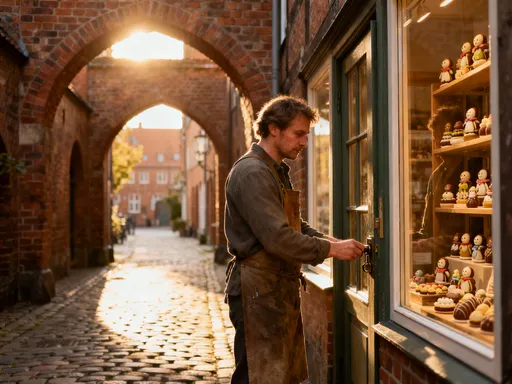
Yet beyond the polished presentation of Niederegger, the true depth of Lübeck’s marzipan culture reveals itself in smaller, independent chocolatiers and bakeries scattered throughout the city. These hidden gems offer a more intimate encounter with the craft, often experimenting with flavors and techniques that honor tradition while embracing innovation. One might find marzipan infused with sea salt and dark chocolate, another with lavender or even chili. These creations aren’t just sweets—they’re expressions of local creativity and culinary confidence. Buying a piece from a small shop feels personal, like receiving a handmade gift rather than purchasing a mass-produced item.
Marzipan’s roots in Lübeck trace back to the 15th century, when almonds, sugar, and rose water were luxury imports accessible only to the wealthy. Over time, the recipe evolved, and by the 19th century, Lübeck had become the center of European marzipan production. Today, authentic Lübeck marzipan is protected under EU law, requiring at least 70% almond content and prohibiting the use of fillers like soy or potato starch. This standard ensures quality and preserves the craft’s integrity. For visitors, tasting marzipan here isn’t just a sensory delight—it’s a way to connect with a centuries-old tradition that continues to thrive in the modern marketplace.
Off the Beaten Path – Hidden Markets and Local Gems
While the main streets of Lübeck dazzle with their polished charm, some of the city’s most authentic commercial experiences lie just beyond the tourist trail. The Burgtor Market, held every Thursday and Saturday near the historic Burgtor gate, is one such gem. Smaller and quieter than the city-center markets, it attracts locals who come for fresh, seasonal produce, homemade jams, and organic dairy products. Stalls are manned by farmers and artisans who take pride in their work, often explaining the origins of their goods with genuine enthusiasm. The atmosphere is relaxed, unhurried, and deeply rooted in community.
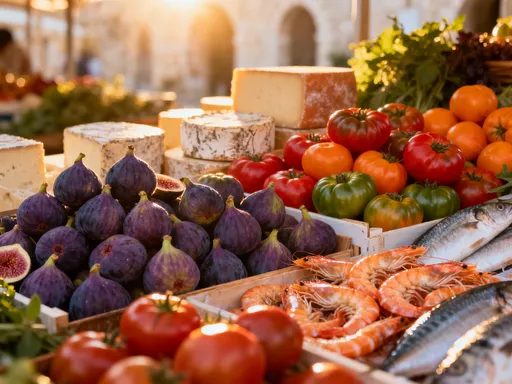
What makes the Burgtor Market special is its emphasis on sustainability and local sourcing. Many vendors grow their own vegetables or raise their own animals, ensuring traceability and quality. You might find heirloom tomatoes from a nearby farm, goat cheese from a family-run dairy, or honey harvested from urban beehives on Lübeck’s rooftops. There’s also a strong presence of handmade crafts—knitted scarves, ceramic mugs, and hand-bound notebooks—each item carrying the mark of its maker. These goods aren’t produced for mass appeal; they reflect individual passion and skill, making every purchase feel meaningful.
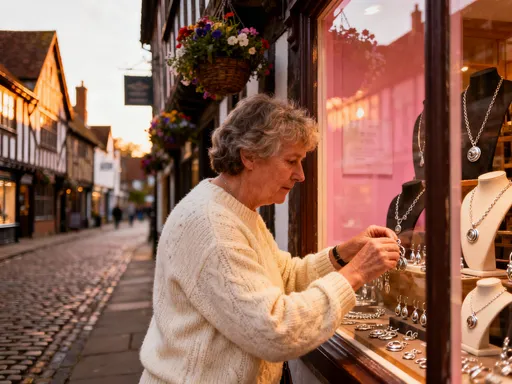
Equally compelling are the pop-up shops and independent boutiques tucked into converted merchant houses and quiet courtyards. In areas like the St. Jürgenstraße district, former storage rooms and stables have been transformed into design studios and concept stores. Here, local fashion designers sell hand-sewn clothing, jewelers display one-of-a-kind pieces, and bookbinders restore antique volumes. These spaces often operate on a seasonal or appointment-only basis, adding to their sense of exclusivity and discovery. They represent a growing movement in Lübeck—one that values craftsmanship, originality, and human connection over convenience and scale. For visitors willing to wander a little further, these hidden corners offer a more intimate understanding of how local commerce truly functions.
Café Culture and Urban Rhythm – Where Locals Gather
In Lübeck, cafés are more than places to grab a quick coffee—they are essential social spaces where relationships form, ideas are exchanged, and the pace of life slows just enough to savor the moment. Whether nestled in a quiet alley or perched beside the Trave River, these establishments serve as anchors of community life. One standout is Café Flieder, a cozy spot known for its homemade cakes, floral decor, and welcoming atmosphere. Regulars often occupy their favorite tables, reading newspapers or chatting with friends, while visitors are greeted with the same warmth. The menu features seasonal specialties—rhubarb tart in spring, plum cake in autumn—each made from scratch using local ingredients.
Along the riverfront, smaller cafés offer panoramic views of the water and passing boats, creating a serene backdrop for afternoon tea or a midday break. These spaces are particularly popular with mothers and grandparents, who come with children for weekend outings or quiet afternoons. The emphasis is on comfort and connection, not speed or efficiency. Tables are spaced generously, chairs are cushioned, and the music, if any, is soft and unobtrusive. Time feels different here—not wasted, but well spent.
What makes Lübeck’s café culture so distinctive is how naturally it blends commerce with care. The barista remembers your usual order. The owner brings an extra cookie for your child. The staff cleans the outdoor tables with care, ensuring the space remains inviting. These small gestures build trust and loyalty, turning customers into regulars and regulars into friends. In an age of digital transactions and self-service kiosks, Lübeck’s cafés remind us that business can be deeply human. They are not just economic units; they are emotional sanctuaries where people feel seen, valued, and at home.
Modern Revival in Historic Shells – Adaptive Reuse and Retail Innovation
One of Lübeck’s most inspiring qualities is its ability to breathe new life into old structures. Throughout the city, particularly along the canals and in former warehouse districts, historic buildings have been thoughtfully repurposed to serve modern commercial needs. These transformations are not about erasing the past, but about honoring it while making space for the future. A 17th-century grain store, once used to hold shipments from across the Baltic, now houses a concept store selling sustainable fashion and handmade home goods. Its thick brick walls and exposed wooden beams remain intact, creating a striking contrast with minimalist displays and contemporary design.
Similarly, former spice warehouses along the Wakenitz River have been converted into co-working spaces, design studios, and art galleries. These adaptive reuse projects support small businesses and creatives who might otherwise struggle to find affordable space in a historic city center. The result is a dynamic ecosystem where entrepreneurship and heritage coexist. You might find a young graphic designer working in a loft that once stored cloves and pepper, or a pottery studio operating in a converted stable where horses once stood. These spaces are not just functional—they are symbolic, representing a city that values both memory and innovation.
The success of this model lies in thoughtful planning and community involvement. Local authorities and preservation societies work closely with architects and business owners to ensure that renovations respect the original architecture while meeting modern safety and accessibility standards. Grants and incentives are sometimes available for projects that contribute to cultural or economic revitalization. This collaborative approach has helped Lübeck avoid the pitfalls of over-commercialization or sterile gentrification. Instead, the city maintains its character while staying economically vibrant. Adaptive reuse isn’t just a design trend here—it’s a philosophy, a way of building the future without discarding the past.
Why Lübeck’s Commercial Heart Matters – A Model for Authentic Urban Life
In an era dominated by global chains, e-commerce, and disposable culture, Lübeck stands as a quiet but powerful counterexample. Its commercial areas are not defined by foot traffic or sales volume, but by the quality of human interaction, the depth of tradition, and the respect for craftsmanship. Shopping here isn’t a chore—it’s an experience, a way of engaging with a community that values slowness, authenticity, and care. Whether you’re buying marzipan from a fourth-generation confectioner, browsing handmade jewelry in a converted warehouse, or sipping coffee in a riverside café, you’re participating in a model of urban life that prioritizes people over profit.
What Lübeck demonstrates is that heritage and progress are not opposites—they can be partners. The city doesn’t reject modernity; it filters it through a lens of respect and continuity. New businesses are welcomed, but they are encouraged to integrate, not dominate. Tourism is embraced, but not at the expense of local life. This balance is fragile, yet it has been carefully maintained through decades of thoughtful urban planning and civic pride. The result is a city that feels both timeless and alive, familiar and full of surprises.
For women between 30 and 55, many of whom juggle family, work, and personal well-being, Lübeck offers more than a travel destination—it offers inspiration. It shows that a community can thrive without sacrificing its soul, that small businesses matter, and that beauty can be found in the everyday. It reminds us that the places we live don’t have to be perfect to be meaningful. They just need heart. And in Lübeck, the heart beats strong, steady, and full of quiet joy. As you walk its streets, you don’t just see a city—you feel it. And sometimes, that’s exactly what we need: a place that feels like home, even if we’ve never lived there.