You Won’t Believe These Hidden Architectural Gems in the Dolomites
Nestled in northern Italy, the Dolomites are famous for their jaw-dropping peaks—but few expect the stunning architecture tucked between the valleys. I went hiking last summer and stumbled upon centuries-old baite (alpine huts) and Ladin stone churches that felt like stepping into a living postcard. What surprised me most? How these buildings blend tradition and function so seamlessly. If you're heading to the Dolomites, don’t just chase views—discover the stories written in wood, stone, and slate.
First Impressions: When Nature Meets Human Craft
As the train winds through the northern Italian Alps, the first sight of the Dolomites takes your breath away—towering spires of pale rock glowing pink at sunrise, deep green meadows unfolding beneath them. Yet what follows is equally striking: villages that appear to grow directly from the mountainside. In Ortisei, wooden balconies spill over with red geraniums, their railings carved with floral motifs that echo the wildflowers blooming nearby. In Cortina d’Ampezzo, stone façades rise gently against the skyline, their sloped roofs mirroring the angles of the surrounding peaks. These are not buildings imposed on the landscape, but structures shaped by it.
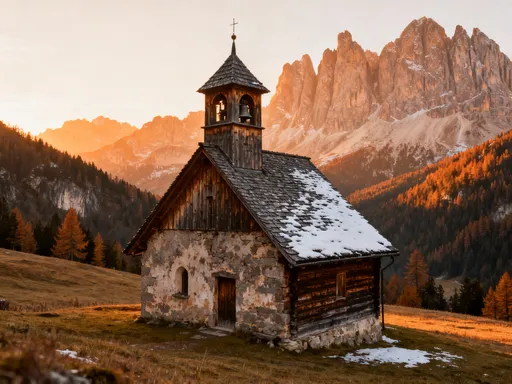
What sets Dolomite architecture apart is its humility. Unlike grand urban designs meant to dominate space, alpine buildings here recede into the terrain. They are low, compact, and earth-toned—constructed not for show, but for survival. The harmony between form and environment is immediate. A shepherd’s hut blends into a rocky outcrop; a village chapel nestles into a hillside as if sheltered by the mountain itself. This integration is not accidental. Generations of builders have learned to listen to the land, responding to wind patterns, snowfall, and sunlight with precision. The result is an architectural language that speaks quietly but clearly—a whisper in stone and timber that complements nature’s roar.
Tourists often arrive seeking panoramic vistas, and rightly so—the Dolomites are a UNESCO World Heritage Site for their geological beauty. But those who pause to observe the built environment discover a parallel wonder. Architecture here does not compete with nature; it completes it. The warm glow of larch wood against snow-covered slopes, the rhythmic pattern of slate roofs catching the afternoon light—these details deepen the sense of place. They remind us that human presence in such extreme environments is not intrusion, but adaptation. And in this balance, there is profound elegance.
The Heart of the Matter: Understanding Alpine Vernacular Style
The architecture of the Dolomites belongs to a tradition known as architettura alpina—a vernacular style refined over centuries through trial, necessity, and intimate knowledge of local materials. At first glance, these buildings may seem simple: wooden chalets with wide eaves, stone foundations rising from the soil, small windows tucked beneath overhangs. But each element serves a purpose. The steeply pitched roofs, often covered in dark slate or wooden shingles, are designed to shed heavy snow loads. The overhanging eaves protect walls from rain and melting ice. Thick stone bases prevent moisture from seeping into wooden walls, while elevated entrances allow access even during deep snowfall.
Materials are sourced directly from the region, creating a natural continuity between structure and surroundings. Larch wood, prized for its durability and resistance to rot, is used for beams, siding, and balconies. Dolomite rock—quarried from the very mountains that frame the villages—forms foundations and lower walls. Slate, split into thin tiles, covers roofs in overlapping layers that provide excellent insulation. These materials are not chosen for aesthetics alone; they are the product of centuries of adaptation. A larch beam can last over a hundred years without treatment, and dolomite stone buffers temperature swings, keeping interiors cool in summer and warm in winter.
Beyond weather resistance, the design integrates practical living needs. Many traditional homes include space for livestock on the ground floor, with living quarters above. This arrangement provided warmth in winter—the animals’ body heat rising through the floorboards—and efficient use of space in compact settlements. Even today, restored baite maintain this dual function, sometimes converting old stables into cozy guest rooms while preserving original wooden stalls as decorative features. The architecture reflects a life attuned to seasonal rhythms, where farming, herding, and craftsmanship dictated the shape of homes.
Modern construction in the Dolomites still follows these principles. While new homes may include contemporary amenities, regional building codes require adherence to traditional forms, materials, and colors. This ensures that even recently built structures feel rooted in place. The result is a built environment that evolves without losing its identity—a rare balance in mountain regions where tourism often leads to homogenization.
Cultural Identity in Stone and Wood: The Ladin Influence
Among the most distinctive cultural forces shaping Dolomite architecture is the Ladin people, a Romance-speaking minority with roots stretching back to the Roman Empire. Isolated in high valleys like Val Gardena, Val Badia, and Livinallongo, the Ladins have preserved their language, customs, and artistic expressions for over a thousand years. Their presence is visible in the region’s architecture, where symbolic details transform functional buildings into cultural statements. Carved wooden doors, painted shutters, and inscribed lintels are not mere decoration—they are declarations of identity.
In villages such as Santa Cristina and San Martino in Badia, Ladin heritage is evident in the ornate craftsmanship of homes and churches. Front doors are often hand-carved with motifs of alpine flowers, suns, and protective symbols like the “eye of God,” believed to ward off evil. Church façades display vibrant frescoes depicting saints and biblical scenes, their colors preserved by protective overhangs. Bell towers rise with distinctive shapes—some square, others octagonal—each reflecting local traditions rather than a standardized design. These features are not replicated for tourists; they are living expressions of a community that values continuity.
The Ladin language, recognized as a minority tongue by the Italian government, is also embedded in the built environment. Street signs appear in both Italian and Ladin, and building names often reflect Ladin words for natural features—ciastel (castle), maso (farmstead), furcia (mountain pass). This linguistic layer adds depth to the architectural experience, inviting visitors to engage with a culture that sees the landscape as both home and heritage. Even the names of restored baite often reference ancestral families or historic trades, preserving memory in timber and stone.
Despite pressures from tourism and urbanization, Ladin communities remain active stewards of their architectural legacy. Local cooperatives offer guided tours that explain the meaning behind carvings and construction techniques. Craftsmen trained in traditional woodworking continue to restore historic buildings using age-old methods. In doing so, they ensure that architecture remains more than shelter—it becomes a vessel for storytelling, resilience, and cultural pride.
Pitfalls Tourists Often Overlook (But Shouldn’t)
Many travelers to the Dolomites focus on well-known resorts like Cortina or popular hiking trails, missing the quieter villages where authentic architecture thrives. Places like Colle Santa Lucia, Wengen, or La Villa offer a more intimate glimpse into alpine life, with fewer crowds and better-preserved historic cores. Yet they are often bypassed in favor of more commercialized destinations. This is a missed opportunity. The true character of Dolomite architecture reveals itself not in postcard-perfect plazas, but in side streets where weathered shutters hang slightly ajar and flower boxes overflow with seasonal blooms.
Another common misstep is mistaking modern renovations for traditional design. As property values rise, some older structures are updated with synthetic materials, oversized windows, or non-traditional color schemes. While these changes may improve comfort, they disrupt the visual harmony of the village. A genuine baita will use natural larch wood, not pressure-treated pine painted to resemble it. Its roof will be slate or wood shingle, not metal or plastic. Authenticity lies in material honesty—a principle deeply valued by local preservation boards.
Tourists should also be cautious of “alpine-style” replicas built solely for aesthetic appeal. Some newer hotels and restaurants adopt wooden façades and carved balconies, but without the structural logic of traditional design. These buildings may look charming, but they lack the functional intelligence of true vernacular architecture. To distinguish the real from the replica, look for signs of age, craftsmanship, and integration with the terrain. Does the building follow the slope of the land? Are materials locally sourced? Is there evidence of long-term use, like worn stone steps or repaired beams? These details tell a story that no imitation can replicate.
How to Experience the Architecture—Beyond Just Looking
To truly appreciate Dolomite architecture, move beyond sightseeing and engage with it through experience. Guided village walks, offered in towns like Ortisei and San Candido, provide insight into construction techniques, historical evolution, and cultural symbolism. Local guides—often architects, historians, or lifelong residents—explain how homes were built without blueprints, using generational knowledge passed down through apprenticeships. These tours highlight features that might otherwise go unnoticed: the way roof angles prevent snow buildup, the significance of a carved rose on a balcony post, or the use of specific stone types in different eras.
For a deeper immersion, consider staying in a restored malga—a seasonal mountain farmstead once used by shepherds during summer grazing. These rustic accommodations retain original stone walls, wooden beams, and even antique tools, while offering modern comforts like heated floors and private bathrooms. Waking up to cowbells echoing through the valley, with sunlight filtering through hand-hewn windows, creates a powerful connection to alpine life. Some malghe also offer farm-to-table meals featuring local cheeses, cured meats, and homemade breads, further anchoring the experience in regional tradition.
Another way to engage is through cultural events. The Festival dell’Architettura Alpina, held every two years in various Dolomite towns, brings together architects, historians, and craftspeople to celebrate mountain design. Workshops, exhibitions, and walking seminars explore themes like sustainable restoration, material innovation, and community-led preservation. Even outside the festival season, many villages host craft fairs where woodcarvers, stonemasons, and weavers demonstrate traditional skills. These events not only support local artisans but also educate visitors about the living culture behind the buildings.
Preservation Challenges in a Changing Climate
Despite its enduring beauty, Dolomite architecture faces growing threats. Climate change has intensified weather extremes—more frequent heavy snowfalls, sudden thaws, and summer storms—putting stress on centuries-old structures. Wooden beams swell and crack, stone foundations shift, and roofs require more frequent repairs. In some high-altitude areas, permafrost thaw is destabilizing building sites once considered solid. These changes challenge the resilience of a building tradition designed for predictable seasonal cycles.
Tourism, while economically vital, also brings pressure. Increased foot traffic erodes historic pathways and façades. Some property owners, eager to capitalize on demand, renovate buildings in ways that compromise authenticity. There is also the risk of rural depopulation, as younger generations move to cities, leaving behind empty homes and declining maintenance. Without active stewardship, even well-constructed buildings can fall into disrepair.
In response, community-led initiatives are stepping in. Local heritage groups document historic structures, train young craftsmen in traditional techniques, and advocate for responsible development. Regional regulations, enforced by provincial authorities, mandate that renovations preserve original materials and design. In South Tyrol, for example, any exterior modification requires approval from a heritage commission. These rules help maintain the visual and cultural integrity of villages, ensuring that new construction respects the past.
Sustainable tourism practices are also emerging. Some municipalities promote “slow architecture” tours that emphasize mindfulness and respect. Others partner with universities on research projects studying climate adaptation in historic buildings. These efforts reflect a broader understanding: preserving Dolomite architecture is not about freezing time, but about evolving with care. It means using modern technology—like improved insulation or seismic retrofitting—without sacrificing authenticity. The goal is continuity, not imitation.
Why This Matters: Architecture as a Gateway to Place
The buildings of the Dolomites are more than shelters—they are records of human ingenuity, cultural endurance, and environmental harmony. Each baita, chapel, and farmhouse tells a story of adaptation: how people learned to live with long winters, steep slopes, and isolation. They reflect values of simplicity, resilience, and respect for nature—qualities that resonate deeply in today’s world. When we pay attention to these structures, we do more than admire craftsmanship; we connect with a way of life shaped by centuries of quiet perseverance.
For travelers, this awareness transforms the experience. Instead of seeing the Dolomites as a scenic backdrop for photos, we begin to perceive them as a lived-in world—a place where culture and nature are inseparable. The carved door of a village home, the weathered slate of a church roof, the scent of larch wood in a restored barn—these details invite slower, more thoughtful exploration. They encourage us to walk quieter streets, talk to local residents, and listen to stories passed down through generations.
Appreciating alpine architecture also supports preservation. When visitors value authenticity, they are more likely to choose stays in historic buildings, support local craftspeople, and respect conservation rules. This creates a positive feedback loop: tourism sustains culture, and culture enriches tourism. In this way, architecture becomes a bridge—not just between past and present, but between people and place.
The Dolomites offer more than trails and panoramas—they reveal a culture shaped by altitude, isolation, and harmony with nature. Their architecture tells a quiet but powerful story of survival and beauty. By paying attention to the homes, chapels, and barns scattered across the slopes, we deepen our connection to this UNESCO-listed landscape. Next time you plan a trip, look beyond the summit: the real magic might be in the details carved in wood and stone.