You Won’t Believe What I Found in Mexico City’s Markets
If you think shopping in Mexico City is just about souvenirs and street trinkets, think again. I stumbled into a world of handmade textiles, vintage treasures, and local design studios that completely changed my view of urban retail therapy. From bustling bazaars to hidden courtyards filled with artisans, the city’s shopping scene is alive, authentic, and full of surprises. This isn’t just spending money—it’s collecting stories, one unique piece at a time. Each market visit becomes a sensory journey, where vibrant colors, earthy scents, and the hum of conversation blend into a rhythm all its own. What I discovered was not merely what to buy, but how to connect—with people, traditions, and the soul of a city that wears its heritage proudly.
The Pulse of Mexican Craftsmanship: Why Shopping Here Feels Different
Mexico City’s markets are not just places to shop—they are living galleries of cultural expression. Every hand-stitched embroidery, every clay pot shaped on a spinning wheel, carries generations of knowledge and pride. Unlike mass-produced goods found in global retail chains, the items here are born from tradition, often passed down through families for decades or even centuries. The craftsmanship reflects a deep relationship between people and place, where natural dyes from cochineal insects create rich reds, and backstrap looms produce intricate patterns unique to specific regions like Oaxaca or Chiapas.
What makes this experience so powerful is the authenticity. In a world increasingly dominated by digital transactions and standardized products, holding a hand-carved wooden spoon or a woven rebozo shawl offers something rare: a tangible connection to human effort and artistry. These objects are not made for algorithms or trends—they are made for use, for celebration, for daily life. When travelers choose to purchase such items, they become part of a meaningful exchange, supporting local economies and preserving endangered crafts that might otherwise fade away.
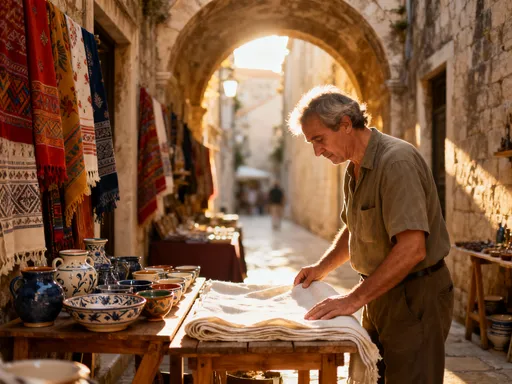
The sensory richness of these markets deepens the emotional impact. Stalls overflow with textiles dyed in sunset hues, while the scent of copal incense drifts through the air. Vendors may invite you to touch a piece of palm frond weaving or try on silver jewelry forged in family workshops. This tactile engagement transforms shopping from a transaction into an experience—one that stays with you long after the journey ends. It’s no wonder that many visitors describe their time in these markets as one of the most memorable parts of their trip.
Moreover, buying directly from artisans allows for storytelling. A weaver might explain how the symbols on a textile represent ancestral myths, or a potter could describe the sacred springs where they gather clay. These moments of connection elevate the value of an object far beyond its price tag. They turn a simple purchase into a shared moment of understanding, a quiet acknowledgment of another person’s skill and heritage. In this way, shopping becomes a form of cultural respect and preservation.
Mercado de Coyoacán: More Than Just a Tourist Stop
Nestled in the leafy, colonial neighborhood of Coyoacán, the Mercado de Coyoacán offers a perfect blend of tradition and charm. Cobblestone streets lined with colorful buildings lead visitors to this lively market, which has been a community hub since the mid-20th century. While it draws tourists thanks to its proximity to landmarks like the Frida Kahlo Museum, the market remains deeply rooted in local life. Here, abuelas haggle over fresh produce while artists browse racks of hand-painted fans and folk art masks, creating an atmosphere that feels both accessible and genuine.
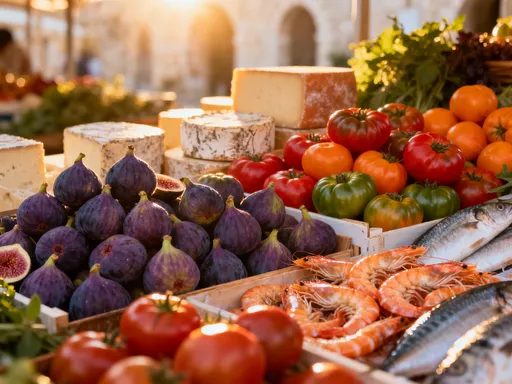
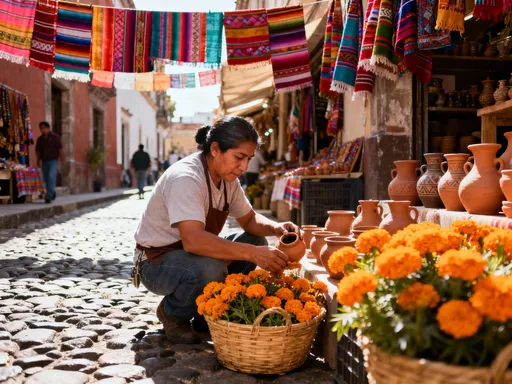
The market’s layout is inviting and easy to navigate, with wide aisles and clearly marked sections. One side is dedicated to food—rows of stalls display tropical fruits, handmade tortillas, and simmering pots of pozole—but it’s the craft section that captivates those seeking unique finds. Vendors sell everything from beaded necklaces shaped like hummingbirds to intricately carved alebrijes painted in fantastical patterns. Among the most striking items are the traditional Judas figures: large papier-mâché effigies once burned during Easter celebrations, now repurposed as bold decorative pieces.
What sets Mercado de Coyoacán apart is its artistic legacy. Once home to intellectuals and creatives like Diego Rivera and Frida Kahlo, the neighborhood still pulses with a bohemian spirit. This cultural energy infuses the market, where many vendors are artists themselves or sell works produced by local collectives. You might find a painter selling small canvases alongside embroidered table runners made by women’s cooperatives from nearby Tlalpan. These connections between art, identity, and commerce make every purchase feel intentional.
Despite its popularity, the market manages to avoid feeling overly commercialized. Prices remain reasonable, and bargaining is gentle and respectful. Many vendors welcome conversation, offering insights into the origins of their goods or recommending other hidden spots in the area. For families visiting with children, the market also features toy stalls selling wooden animals and traditional lotería games, making it a joyful destination for all ages. It’s a place where leisurely exploration is rewarded—not just with souvenirs, but with moments of connection and delight.
La Ciudadela: A Hidden Hub for Authentic Handicrafts
For travelers seeking a more focused craft experience, La Ciudadela Market offers a treasure trove of high-quality, region-specific handicrafts. Once a 19th-century military prison, this historic site was transformed in the 1960s into a permanent artisan fair, now housing over 300 vendors representing nearly every state in Mexico. Its name, meaning “the citadel,” hints at its fortress-like structure, but today it stands as a sanctuary for traditional craftsmanship rather than confinement.
Walking through La Ciudadela feels like taking a cross-country tour of Mexico’s artistic diversity. Sections are organized by region, allowing visitors to explore distinct styles and techniques. In the Oaxaca zone, you’ll find rugs woven on pedal looms using natural dyes, their geometric patterns echoing Zapotec cosmology. Nearby, artisans from Michoacán display gleaming copper bowls and vases hammered by hand in Santa Clara del Cobre, a town renowned for its metalworking since pre-Hispanic times. Each piece bears the mark of its maker, often stamped with a small signature or emblem.
One of the most enchanting areas is dedicated to alebrijes—whimsical, brightly colored creatures carved from copal wood. Originating in Mexico City but now associated with Oaxaca, these fantastical beings combine animal features in imaginative ways: a lizard with eagle wings, a rabbit with antlers, a serpent with peacock feathers. Artisans spend days sanding, carving, and painting each one, resulting in truly one-of-a-kind creations. Children and adults alike are drawn to their playful energy, and many collectors seek out specific types based on symbolic meanings—like protection, prosperity, or creativity.
Unlike some informal markets, La Ciudadela operates with fixed prices and clear labeling, making it a trustworthy environment for first-time buyers. This transparency helps prevent misunderstandings and ensures that artisans receive fair compensation. Many vendors speak basic English and are happy to explain the cultural significance behind their work, offering brochures or printed cards with care instructions and regional context. For travelers concerned about authenticity, this level of information provides confidence in their purchases.
The market also hosts rotating exhibitions and live demonstrations, where visitors can watch potters shape clay on foot-powered wheels or see weavers demonstrate traditional techniques. These interactive elements deepen appreciation for the skill involved and highlight the time-intensive nature of true craftsmanship. Whether you’re looking for a hand-embroidered blouse, a Talavera tile trivet, or a miniature Day of the Dead skeleton band, La Ciudadela delivers with integrity and inspiration.
Roma & Condesa: Where Trendy Meets Timeless
Just north of the city center lies the stylish neighborhood duo of Roma and Condesa—two districts known for their tree-lined avenues, art deco architecture, and vibrant creative scene. Once residential enclaves for the elite, these areas have evolved into dynamic cultural hubs where vintage charm meets contemporary design. Here, shopping takes on a different rhythm: slower, more curated, and deeply influenced by Mexico’s artistic renaissance.
Converted mansions now house independent boutiques, concept stores, and pop-up galleries. These spaces often showcase local designers who blend indigenous techniques with modern aesthetics. A dress might feature Otomí embroidery on organic cotton, or a ceramic vase could reinterpret pre-Columbian forms with minimalist glazes. The result is fashion and homeware that honors tradition without feeling outdated—a perfect balance for travelers who appreciate heritage but live in the present.
One standout example is the growing number of zero-waste fashion brands opening shops in the area. These labels use upcycled textiles, natural dyes, and ethical production methods to create clothing that’s both beautiful and responsible. Shoppers can browse racks of linen tunics, hand-dyed scarves, and reimagined huipiles—traditional blouses transformed into modern jackets or dresses. Staff members often double as storytellers, explaining sourcing practices and introducing customers to the cooperatives behind the garments.
What makes shopping in Roma and Condesa especially enjoyable is the surrounding café culture. After browsing a boutique, it’s common to pause at a nearby coffee bar serving locally roasted beans or a juice stand offering agua frescas made from hibiscus and tamarind. These breaks turn retail therapy into a full-day experience, blending discovery with relaxation. Bookstores with curated selections on Mexican art and design add another layer, inviting visitors to deepen their understanding of the culture they’re engaging with.
The neighborhood also hosts weekend markets like Mercado Roma, a gourmet food hall that doubles as a design showcase. While primarily known for its culinary offerings, it features stalls selling artisanal soaps, hand-bound notebooks, and small-batch candles—ideal for those seeking compact, meaningful souvenirs. With its walkable streets and welcoming atmosphere, Roma and Condesa offer a refined yet approachable side of Mexico City’s shopping landscape.
Tianguis Markets: The Thrill of the Temporary
For those who love spontaneity, the city’s rotating tianguis markets provide an exhilarating alternative to permanent shops. Held on specific days in different neighborhoods, these temporary bazaars transform quiet plazas and side streets into bustling centers of commerce. The word *tianguis* comes from the Nahuatl *tianquiztli*, meaning “place of trade,” and these markets continue a tradition that dates back to pre-Hispanic times, when communities gathered to exchange goods and news.
No two tianguis are alike. One Sunday might bring a vintage clothing fair to Plaza del Carmen, where racks overflow with 1970s denim, embroidered blouses, and leather boots. The next week, a different neighborhood could host a handmade book market featuring letterpress prints, zines, and recycled-paper journals. Some focus on sustainability, offering secondhand electronics, refurbished furniture, or zero-waste household items. Others specialize in music, with vinyl collectors setting up under canopies, playing rare recordings of mariachi, jazz, or folk ballads.
The thrill lies in the unpredictability. Because these markets appear and disappear, each visit feels like a treasure hunt. You never know what you might find—a hand-stitched leather bag, a vintage camera, or a set of hand-thrown pottery cups. Bargaining is expected and often playful, with vendors and shoppers exchanging smiles and stories along with pesos. Learning a few polite phrases in Spanish can go a long way, not just in securing a good price but in building rapport.
These markets also offer a glimpse into everyday life. Locals come not just to sell, but to socialize, bringing folding chairs and snacks to share during slow hours. Children weave through the aisles, chasing balloons or stopping to watch a street performer. The atmosphere is lively but never overwhelming, fostering a sense of community that’s hard to replicate in larger, more commercial settings. For visitors, participating in a tianguis is less about acquisition and more about immersion—a chance to slow down and experience the city like a resident.
Practical Tips for a Smarter Shopping Experience
To make the most of Mexico City’s diverse markets, a little preparation goes a long way. First, plan your visits around the best days. Mercado de Coyoacán and La Ciudadela are open daily, but weekends tend to be livelier with more vendors and demonstrations. Tianguis markets, on the other hand, operate on specific days—often Sundays—so checking local listings or asking your hotel concierge can help you catch the right one.
Cash is still king in most markets, especially smaller stalls and artisan booths. While some vendors now accept mobile payments or cards, having Mexican pesos on hand ensures smoother transactions and strengthens your bargaining position. ATMs are widely available, but it’s wise to withdraw in safer areas like banks inside shopping malls or hotel zones to avoid skimming devices.
When it comes to negotiation, remember that haggling should be respectful. In fixed-price markets like La Ciudadela, prices are usually non-negotiable, but in others, a polite offer 10–15% below the asking price is common. Smiling and speaking kindly—even with limited Spanish—can open doors and lead to better deals. Never pressure a vendor, and always be willing to walk away if the price doesn’t feel right.
Safety is another consideration. While most markets are safe and well-patrolled, crowded spaces can attract pickpockets. Carry a small crossbody bag worn in front, keep valuables out of sight, and stay aware of your surroundings. Traveling with a friend not only enhances safety but also makes the experience more enjoyable—sharing discoveries amplifies the joy.
Finally, consider combining your shopping with cultural stops. Visit the Frida Kahlo Museum before exploring Mercado de Coyoacán, or tour the murals of Diego Rivera before heading to La Ciudadela. These pairings enrich your understanding of the art you’re seeing and create a more cohesive travel narrative. And don’t forget to leave room in your luggage—many of these pieces are delicate and deserve careful packing.
Beyond the Purchase: How Shopping Connects You to Place
In the end, what makes shopping in Mexico City so transformative is not the items themselves, but the connections they represent. Each object carries a story—of hands that shaped it, communities that preserved its craft, and cultures that gave it meaning. When you bring home a handwoven basket or a painted ceramic plate, you’re not just acquiring decor; you’re carrying a piece of lived tradition.
Mindful consumerism turns travel into something deeper than sightseeing. Instead of simply observing a culture from the outside, you engage with it directly, supporting the people who keep its traditions alive. This kind of exchange fosters mutual respect and understanding, breaking down barriers between visitor and local. It reminds us that tourism, when done thoughtfully, can be a force for good—sustaining livelihoods, preserving heritage, and building bridges.
For many women in their 30s to 50s—mothers, professionals, creatives—these meaningful purchases resonate on a personal level. A handmade shawl might be worn during quiet mornings with tea, evoking memories of laughter in a bustling market. A small alebrije could sit on a desk, a whimsical reminder of adventure and courage. These objects become anchors of memory, sparking conversation and connection in everyday life.
So the next time you plan a trip, reconsider what shopping can be. Let it be more than a checklist item. Let it be an invitation—to explore, to listen, to learn. In Mexico City’s markets, every corner holds a new possibility, every vendor a potential friend, and every purchase a story waiting to unfold. Come not just to buy, but to belong, even if just for a moment, to the rhythm of a city that gives generously of its heart.