You Won’t Believe These Hidden Natural Gems in Chiang Mai
Chiang Mai isn’t just temples and night markets—its real magic lies in the wild, untouched landscapes waiting just beyond the city. I’ve explored misty mountain trails, secret waterfalls, and lush rice terraces that most tourists never see. If you're craving nature that feels alive, authentic, and breathtakingly quiet, this is your sign to go. Let me show you how to experience Chiang Mai’s natural beauty like a true insider.
Why Chiang Mai’s Natural Landscapes Stand Out
Nestled in northern Thailand, Chiang Mai is cradled by a dramatic natural setting that sets it apart from other Thai destinations. Unlike the flat plains of central Thailand or the coastal flatlands of the south, this region is defined by its rolling mountains, deep river valleys, and dense evergreen forests. The terrain here is part of the Thanon Thong Chai Range, a northern extension of the Himalayas, which contributes to its cooler climate and rich biodiversity. This unique geography creates microclimates that support everything from alpine moss to tropical ferns, all within a relatively small area.
What makes Chiang Mai especially appealing to nature lovers is how easily one can transition from urban convenience to remote wilderness. Within just 30 minutes from the city center, travelers can find themselves hiking through cool pine forests or listening to the rush of a mountain stream. This balance of accessibility and seclusion allows visitors to enjoy immersive outdoor experiences without requiring weeks of travel or extreme physical preparation. Families, solo travelers, and older adults alike can find trails and viewpoints that suit their comfort level, making Chiang Mai a rare destination where adventure meets inclusivity.
The seasonal rhythm of Chiang Mai plays a crucial role in shaping the visitor experience. From November to February, the dry season brings clear skies, crisp air, and optimal visibility—ideal for long hikes and panoramic views from mountain summits. This period also coincides with the cool season, when temperatures in the highlands can dip to 10°C (50°F), offering refreshing relief from Thailand’s usual heat. In contrast, the rainy season—from May to October—transforms the landscape into a vibrant emerald tapestry. Waterfalls swell with runoff, rice fields shimmer with standing water, and the forests hum with life. While some trails may become slippery or temporarily closed, the lushness and solitude of this time attract those seeking a more intimate connection with nature.
Many of these natural areas are protected under Thailand’s national park system, managed by the Royal Forest Department and other conservation authorities. Parks such as Doi Inthanon, Doi Suthep-Pui, and Mae Tang are maintained with sustainable tourism in mind, balancing public access with ecological preservation. Park fees contribute directly to trail maintenance, ranger patrols, and reforestation projects. These efforts ensure that fragile ecosystems remain intact for future generations. Visitors are encouraged to follow posted guidelines, such as staying on designated paths and refraining from feeding wildlife, to support these conservation goals. By understanding and respecting these natural rhythms and regulations, travelers can engage with Chiang Mai’s environment in a meaningful and responsible way.
Top Must-Visit Natural Spots Near the City
For those beginning their exploration of Chiang Mai’s natural wonders, several standout destinations offer both beauty and ease of access. One of the most iconic is Doi Suthep-Pui National Park, located just west of the city. This protected area is home to a network of well-maintained trails that wind through montane forest, leading to breathtaking viewpoints and cultural landmarks. The most famous route ascends toward Wat Phra That Doi Suthep, a sacred temple perched on a mountainside. Along the way, hikers pass through cool groves of oak and maple, where mist often clings to the treetops in the early morning. Birdwatchers may spot species like the oriental magpie-robin or the colorful hill myna, adding an auditory layer to the experience.
Near the base of Doi Suthep lies Bhubing Palace, the royal winter residence, which opens to the public during the cool season. While the palace itself is architecturally elegant, it is the surrounding gardens that captivate visitors. Terraced flower beds burst with seasonal blooms—azaleas in winter, orchids in spring—set against a backdrop of forested hills. The combination of manicured beauty and wild nature makes this a perfect spot for quiet reflection or a leisurely stroll. Because of its popularity, arriving early in the morning allows for a more peaceful experience, with fewer crowds and cooler temperatures.
Another easily accessible gem is Huay Kaew Waterfall, located just a few kilometers from the heart of Chiang Mai. Despite its proximity to urban life, this cascading stream feels remarkably secluded, surrounded by thick foliage and the constant sound of rushing water. A paved path leads from the main road to viewing platforms, making it suitable even for visitors with limited mobility. During the rainy season, the waterfall swells into a powerful flow, while in the dry months it reduces to a gentle cascade—each phase offering its own charm. The surrounding park area includes shaded benches and picnic spots, ideal for families or those needing a moment of rest. To avoid peak visitor hours, consider visiting in the late afternoon when school groups and tour buses have departed.
Equally serene is the Mae Ping River, which flows gracefully through the outskirts of the city. Unlike the bustling rivers in Bangkok or Chiang Rai, the Mae Ping offers a tranquil setting for riverside walks, birdwatching, or gentle kayaking. Several local operators offer guided paddle trips that take travelers through quiet stretches of the river, where kingfishers dart between branches and water buffalo graze in nearby fields. These excursions typically last two to three hours and require no prior experience, making them accessible to most travelers. For those who prefer to stay on land, walking trails along the riverbanks provide scenic views and opportunities to observe local life, from farmers tending crops to children playing near the water’s edge. By choosing quieter times of day and lesser-known access points, visitors can enjoy these natural highlights without the rush of mass tourism.
Hidden Waterfalls Only Locals Know About
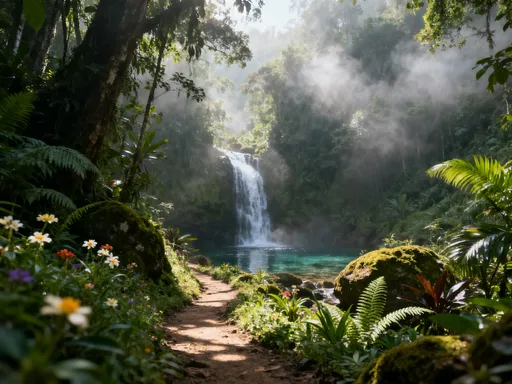
Beyond the well-trodden paths lie a series of hidden waterfalls known primarily to villagers and seasoned outdoor enthusiasts. These secluded cascades offer a sense of discovery and solitude that larger attractions often lack. One such destination is Tarn Maew Kaew, a multi-tiered waterfall tucked deep within a forest reserve north of Chiang Mai. The journey there begins with a moderate hike through shaded trails, where the air is thick with the scent of damp earth and wild ginger. As you approach, the sound of falling water grows louder, culminating in a refreshing pool surrounded by smooth rocks and overhanging ferns. Because it is not widely advertised, this spot remains largely free of commercial development, preserving its natural serenity.
Another lesser-known gem is Tarn Pliew, located in a community-managed forest area south of the city. This waterfall is smaller in scale but rich in charm, with a narrow stream tumbling over moss-covered stones into a clear basin. Local families often visit on weekends, but the site never feels crowded due to its remote location and limited parking. What makes Tarn Pliew special is its integration into local conservation efforts—villagers maintain the trail and collect a small entrance fee to fund environmental education programs. Visitors are welcomed with warmth and encouraged to respect the land, creating a mutually beneficial relationship between tourism and stewardship.
When venturing to these hidden falls, proper preparation is essential. Sturdy, non-slip footwear is highly recommended, as rocks near water can be slick with algae. Carrying plenty of drinking water, especially during warmer months, helps prevent dehydration in the humid climate. Sun protection is also important, though many of these sites are shaded by dense canopy cover. If using sunscreen, opt for biodegradable, reef-safe formulas to minimize harm to aquatic ecosystems. Insect repellent with natural ingredients can help deter mosquitoes without introducing harsh chemicals into the environment.
Perhaps the most valuable step a traveler can take is hiring a local guide. These individuals possess intimate knowledge of trail conditions, seasonal changes, and cultural sensitivities. They can lead visitors safely through less-marked paths, point out edible plants or medicinal herbs, and share stories about the area’s history and significance. More than just navigators, guides serve as cultural ambassadors, enriching the experience with context and connection. Their income from eco-tourism also supports sustainable livelihoods, reducing pressure on natural resources. By choosing guided visits, travelers not only enhance their own safety and understanding but also contribute directly to community-based conservation.
Mountain Escapes: Doi Inthanon and Beyond
No exploration of Chiang Mai’s natural beauty is complete without a visit to Doi Inthanon, the highest peak in Thailand at 2,565 meters (8,415 feet) above sea level. Located about 70 kilometers southwest of the city, this majestic mountain is the centerpiece of Doi Inthanon National Park, a protected area renowned for its biodiversity and spiritual significance. A full-day trip is recommended to fully appreciate its offerings, from sacred pagodas to pristine cloud forests. The journey itself is part of the experience—winding roads climb steadily through layers of mist, revealing sudden vistas of green valleys and distant peaks.
At the summit, two striking pagodas—Naphamethinidon and Naphaphonphumisiri—stand as monuments to the late King Bhumibol and Queen Sirikit. Surrounded by cool mountain air and fluttering prayer flags, these structures offer a peaceful place for reflection. Nearby trails lead into the heart of the cloud forest, where ancient trees are draped in moss and epiphytes. The Ang Ka Luang nature trail is particularly enchanting, a boardwalk path that floats above a high-altitude swamp ecosystem. Here, the atmosphere feels otherworldly—damp, quiet, and alive with the calls of unseen birds. On clear mornings, the valley below is filled with a sea of fog, giving the sensation of walking above the clouds.
Birdwatching is a major draw at Doi Inthanon, with over 400 recorded species including the elusive black-throated laughingthrush and the vibrant oriental bay owl. Early risers may catch the dawn chorus, a symphony of whistles and trills echoing through the trees. Binoculars and a field guide enhance the experience, though even casual observers will be struck by the variety of plumage and song. Rangers at the park headquarters can provide up-to-date information on recent sightings and recommend the best viewing spots based on season and weather.
Nearby hill tribe villages, such as those inhabited by the Karen and Hmong communities, offer opportunities to learn about traditional ways of life in harmony with the land. Some of these villages participate in sustainable ecotourism programs, welcoming visitors for cultural exchanges, homestays, or guided nature walks. These interactions are most meaningful when approached with respect—dressing modestly, asking permission before taking photos, and supporting local artisans by purchasing handmade crafts. The income generated helps reduce reliance on slash-and-burn agriculture, promoting long-term environmental protection. To preserve air quality and visibility, the best time to visit Doi Inthanon is during the cool, dry season, when morning fog typically burns off by midday, revealing unobstructed views from the summit.
Rice Terraces and Rural Beauty: The Charm of Mae Sa Valley
Just north of Chiang Mai, the Mae Sa Valley unfolds like a living painting, its contours shaped by generations of careful farming. Here, rice terraces cascade down gentle slopes in layered waves of green, reflecting the sky and shimmering with water during the wet season. This agricultural landscape is not merely scenic—it is a testament to sustainable land use and community resilience. The planting season, typically from May to June, brings a soft, fresh green to the fields, while the harvest in October and November turns the valley into a golden mosaic. Each phase offers its own visual poetry, drawing photographers, walkers, and those seeking calm in nature’s rhythm.
Exploring the valley on foot or by bicycle allows visitors to move at a pace that invites mindfulness. Designated walking paths and quiet country roads connect villages, temples, and working farms, offering glimpses into daily rural life. Children wave from doorsteps, elders tend vegetable gardens, and water buffalo rest in shaded paddies. Some agritourism initiatives welcome guests to participate in planting or harvesting, providing hands-on learning about organic farming and traditional techniques. These experiences foster appreciation for the labor behind every grain of rice and create lasting memories of connection and simplicity.
The economic benefits of agritourism are significant for local families. By hosting visitors, farmers diversify their income and reduce dependence on unpredictable crop yields. Many use the proceeds to improve housing, fund education, or invest in sustainable irrigation systems. Travelers can support these efforts by choosing certified eco-friendly tours, purchasing locally grown produce, or making small donations to community projects. In return, they gain authentic insights into a way of life that values balance, seasonality, and respect for the earth.
When visiting agricultural areas, certain etiquette practices ensure mutual respect. Always ask permission before entering private fields or photographing people. Avoid stepping on young rice plants or disturbing irrigation channels. Stick to marked paths and avoid littering, as even small amounts of waste can disrupt farming operations. By approaching the landscape with humility and care, visitors honor the generations of stewardship that have shaped it. The Mae Sa Valley is not a museum exhibit but a living, working environment—its beauty lies as much in its function as in its form.
Sustainable Travel Tips for Exploring Nature Responsibly
As interest in eco-tourism grows, so does the responsibility to travel in ways that protect rather than deplete natural resources. One of the simplest yet most impactful actions is minimizing single-use plastic. Carrying a reusable water bottle equipped with a filter allows travelers to refill at safe stations without contributing to plastic waste. Similarly, bringing a cloth bag for snacks or souvenirs reduces reliance on disposable packaging. Many parks and cafes in Chiang Mai now support this shift by offering refill points and charging small fees for plastic bags, incentivizing greener choices.
Choosing eco-certified tour operators makes a tangible difference. These companies adhere to strict environmental and social standards, such as limiting group sizes, using low-impact transportation, and employing local guides. They often contribute a portion of profits to conservation or community development, ensuring that tourism dollars have a positive ripple effect. When booking activities, look for certifications from recognized organizations or read reviews that mention sustainability practices. Even small decisions—like opting for a bicycle tour instead of a motorized vehicle—can reduce carbon emissions and enhance the quality of the experience.
Park entrance fees, while modest, play a vital role in funding rangers, trail maintenance, and reforestation efforts. Paying these fees honestly and encouraging others to do the same supports the long-term health of these ecosystems. Equally important is following the “leave no trace” principle: pack out all trash, avoid carving into trees or rocks, and refrain from picking plants or disturbing wildlife. In fragile environments like cloud forests or riverbanks, even minor disruptions can have lasting consequences. Teaching children these habits sets a foundation for lifelong environmental stewardship.
Responsible travel also means being mindful of cultural norms and local regulations. In areas near villages or sacred sites, dressing modestly and speaking quietly shows respect. Avoid feeding animals, as this alters natural behaviors and can lead to dependency. If camping is allowed, use designated sites and keep fires contained and brief. By integrating these practices into daily travel routines, visitors become allies in conservation rather than passive consumers of nature. The goal is not just to witness beauty but to ensure it endures.
Planning Your Nature-Focused Trip: Logistics Made Simple
Successful nature travel begins with thoughtful planning, especially in a region as dynamic as northern Thailand. The ideal time to visit Chiang Mai for outdoor exploration is between November and February, when temperatures are mild, rainfall is minimal, and visibility is at its peak. This period avoids both the intense heat of March to May and the heavy rains of the monsoon season. However, those seeking lush greenery and fewer tourists may prefer the shoulder months of October or April, when conditions are still manageable and landscapes are particularly vibrant.
Transportation options vary depending on destination and comfort level. Within the city and nearby parks, songthaews—red shared pickup trucks—offer an affordable and authentic way to travel. For more remote areas like Doi Inthanon or hidden waterfalls, renting a motorbike provides flexibility, though riders should be experienced and wear helmets. Private drivers or guided tours are excellent choices for families, older travelers, or those unfamiliar with local roads. Many eco-tourism operators offer door-to-door service with knowledgeable guides, combining convenience with education.
Staying informed about trail conditions and park regulations is essential. The Department of National Parks website and visitor centers provide up-to-date information on closures, weather alerts, and entry requirements. Some areas may require permits or advance registration, particularly for overnight hikes or visits to community forests. Checking these details in advance prevents disappointment and ensures compliance with conservation rules. Travelers should also monitor local weather forecasts, as sudden storms can affect road safety and trail accessibility.
Finally, pacing is key to enjoying Chiang Mai’s natural offerings without exhaustion. The combination of humidity, elevation changes, and physical activity can be taxing, especially for those unaccustomed to tropical climates. Plan for rest periods, carry snacks and water, and allow time to simply sit and absorb the surroundings. Nature’s rewards are not measured in miles covered but in moments of stillness and awe. By balancing adventure with self-care, visitors can create a journey that is both enriching and sustainable.
Chiang Mai’s natural landscapes offer more than just pretty views—they invite deep connection, calm, and wonder. By choosing mindful exploration, you preserve these treasures while experiencing their true soul. Whether it’s a fog-draped mountain path or a quiet forest pool, let nature lead the way. Your most unforgettable moments await off the beaten trail.