You Won’t Believe This Hidden Cityscape by the Lake
I never expected to find such a vibrant cityscape beside a lake. Lake Balaton in Hungary isn’t just about beaches and sunsets—its lakeside towns pulse with urban energy, where pastel buildings climb hills, thermal spas meet street art, and quiet alleys open into lively piazzas. This is where nature and city life blend seamlessly. I was stunned by the contrast—one minute you're sipping wine on a rooftop terrace, the next you're wandering cobbled lanes lined with Baroque churches. Let me take you through the unexpected urban soul of Lake Balaton.
Discovering the Urban Pulse of a Lake Destination
Lake Balaton is often celebrated as Central Europe’s largest freshwater lake, a summer playground for sunbathers, swimmers, and boaters. Yet beneath its shimmering surface lies a cultural rhythm rarely captured in postcards—the quiet hum of urban life unfolding along its shores. This is not merely a destination for nature lovers; it is a network of towns where architecture, daily life, and public spaces converge in unexpected harmony. The moment you step off the train in one of its lakeside communities, you’re met not with rustic isolation, but with the gentle pulse of city living—bicycle bells ringing, café chatter spilling onto sidewalks, and the scent of freshly baked strudel mingling with lake air.
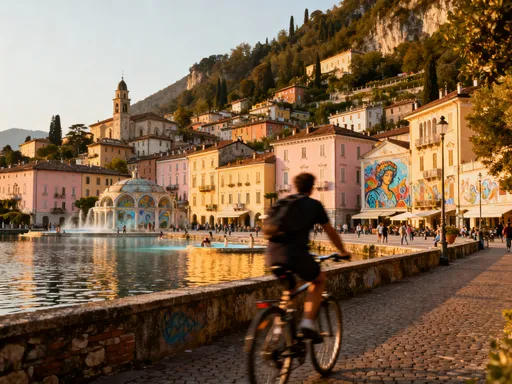
What makes this urban character so compelling is its subtlety. Unlike major metropolitan centers, the cities around Lake Balaton do not announce themselves with skyscrapers or traffic jams. Instead, their cityscape reveals itself gradually: in the orderly rows of 19th-century villas in Balatonfüred, the illuminated promenades of Siófok at dusk, or the university-lined streets of Keszthely. These towns have evolved not as satellite resorts, but as living, breathing communities where tourism complements rather than dominates local life. The result is an authenticity that resonates deeply with travelers seeking connection over convenience.
Understanding this urban dimension transforms the way one experiences the region. Rather than viewing the lake as a backdrop, visitors begin to see it as a central artery around which culture, history, and daily rhythm flow. The presence of public squares, local markets, and architectural landmarks invites exploration beyond the shoreline. It encourages walking, lingering, and engaging with the human scale of these towns. This shift—from passive observer to active participant—enriches the journey, offering not just scenic beauty, but a deeper narrative woven through streets, facades, and community life.
Balatonfüred: Where Heritage Meets Lakeside Elegance
Balatonfüred stands as a testament to the refined elegance that can emerge where health, history, and leisure intersect. Once a favored retreat for Austro-Hungarian aristocracy, the town retains the grace of its spa-town origins, evident in its grand thermal buildings, tree-shaded promenades, and meticulously preserved villas. The main waterfront, known as the Kurpromenade, stretches along the lake like a green ribbon, flanked by chestnut trees and dotted with wrought-iron benches. Here, locals stroll in the late afternoon, children chase pigeons, and couples pause to watch the sun dip behind the hills—a ritual unchanged for generations.
The architectural identity of Balatonfüred is a study in continuity. Many of its historic homes, built in the late 1800s, feature pastel facades, ornate balconies, and mansard roofs, reflecting the influence of Viennese design. Yet these buildings are not frozen in time; they have been thoughtfully adapted into boutique hotels, art galleries, and family-run restaurants. A villa that once housed a noble family might now host a ceramic studio or a wine bar specializing in regional olaszrizling. This respectful blending of old and new ensures that the town feels lived-in, not museum-like.
Cultural life here thrives in seasonal rhythms. The annual Citrus Festival, held each January, transforms the town into a fragrant celebration of lemons, oranges, and grapefruits—historically grown in Balatonfüred’s mild microclimate. Streets are adorned with citrus-themed decorations, local chefs prepare citrus-infused dishes, and artisans sell handmade soaps and marmalades. The event draws visitors from across Hungary, yet remains intimate and community-centered. It exemplifies how tradition can be both preserved and revitalized, offering a model for sustainable cultural tourism that honors the past without clinging to it.
Siófok’s Electric Nightlife and Evolving Streetscape
If Balatonfüred embodies elegance, Siófok pulses with youthful energy. As the largest town on the southern shore, it has evolved from a quiet fishing port into the unofficial entertainment capital of Lake Balaton. By day, its broad lakeside boulevard buzzes with families building sandcastles and cyclists cruising toward nearby villages. But as the sun sets, a different rhythm takes over. Neon lights flicker to life, music spills from open-air clubs, and the waterfront becomes a stage for late-night dancing, laughter, and lakeside cocktails.
The transformation of Siófok’s streetscape mirrors its shifting identity. Wide pedestrian zones, lined with modern cafes and souvenir shops, cater to summer visitors, while renovated public spaces—like the redesigned Balaton Sound Park—host concerts and festivals throughout the season. The town’s skyline, once dominated by low-rise homes, now includes contemporary apartment complexes and hotels that reflect its growing appeal as a year-round destination. Yet beneath the surface glamour, Siófok retains pockets of authenticity. Just a few blocks from the main strip, quiet residential streets reveal colorful gardens, local bakeries, and community centers where residents gather for language classes or yoga in the park.
This duality—tourist vibrancy and local groundedness—makes Siófok a fascinating case study in urban adaptation. While some critics argue that commercialization has diluted its charm, others see opportunity in its evolution. New initiatives, such as guided neighborhood walks and artisan markets, aim to connect visitors with the town’s deeper character. These efforts highlight a growing awareness that sustainable tourism depends not on unchecked expansion, but on balance—between visitor needs and resident well-being, between modernization and preservation. For the curious traveler, Siófok offers both excitement and insight, a place where energy and identity are constantly being renegotiated.
Keszthely and the Fusion of Culture, History, and Urban Design
Keszthely, nestled on the western tip of Lake Balaton, offers a different kind of allure—one rooted in intellectual heritage and architectural grandeur. At its heart stands the Festetics Palace, an 18th-century marvel often called the “Hungarian Versailles.” With its symmetrical wings, manicured gardens, and opulent interiors, the palace anchors the town’s identity, serving not only as a museum but as a cultural hub that hosts concerts, exhibitions, and academic conferences. Its presence elevates Keszthely from lakeside town to regional center of learning and artistry.
Beyond the palace, Keszthely’s urban fabric reflects a long-standing commitment to education and culture. Home to a campus of the University of Pannonia, the town thrives with youthful energy during the academic year. Students fill the cafes near the main square, debate in library courtyards, and contribute to a dynamic street life that blends tradition with innovation. Galleries showcase contemporary Hungarian art, while the Helikon Palace Museum preserves the literary and scientific legacy of the Festetics family. This fusion of past and present gives Keszthely a rare depth, where every street corner seems to whisper stories of thinkers, writers, and reformers.
The town’s layout enhances this sense of layered history. Narrow, cobblestone lanes wind uphill from the lake, revealing hidden courtyards, Baroque fountains, and centuries-old churches. Yet these intimate spaces open suddenly onto broad plazas where fishermen mend nets and families gather for weekend markets. The contrast is deliberate and harmonious—human-scale design that invites exploration without overwhelming. Whether walking through the palace gardens at dawn or sipping coffee in a sunlit square, one senses that Keszthely values slowness, reflection, and connection. It is a town that does not merely exist beside the lake, but engages with it thoughtfully, offering a model of how culture and nature can coexist in urban life.
Tapolca’s Cave Town Charm and Subterranean Surprises
Tapolca presents one of Lake Balaton’s most unique urban experiences—a town literally shaped by its geology. Formed by ancient volcanic activity, the area is riddled with limestone caves and underground waterways, giving rise to a distinctive architectural character. The most famous feature is the Lake Cave, a network of tunnels where visitors can row small boats along a subterranean lake, gliding silently beneath rock ceilings illuminated by soft, golden lights. This natural wonder is not just a tourist attraction; it is woven into the town’s identity, influencing everything from urban planning to local craftsmanship.
The aboveground cityscape of Tapolca reflects its underground roots. Some homes are built into the hillsides, with cellar doors opening directly into cave systems once used for storage or shelter. Others feature courtyards that descend into cool, rock-walled chambers—perfect for summer wine cellars or artisan workshops. Walking through the old town, one notices how buildings follow the contours of the land, creating a mosaic of terraces, staircases, and hidden passageways. This organic growth, dictated by nature rather than grid plans, gives Tapolca a whimsical, almost fairy-tale quality.
For the mindful traveler, Tapolca offers a chance to explore at a contemplative pace. Recommended walking routes guide visitors through quiet residential lanes, past family-run pottery studios, and into shaded parks where elders play chess beneath chestnut trees. The town’s market, held weekly on the central square, features honey, homemade jams, and hand-carved wooden crafts—products of a community deeply connected to its environment. Even the signage is thoughtfully designed, with maps and historical notes placed at key intersections to encourage discovery. In Tapolca, urban life feels intimate, intentional, and in tune with the earth beneath it.
Practical Tips for Experiencing the Cityscape Like a Local
To truly appreciate the urban soul of Lake Balaton, one must move beyond the typical resort mindset. Rather than settling in a single location, consider a slower, more connected way of traveling—hopping between towns by bike or regional bus, engaging with daily rhythms, and allowing time for unplanned encounters. The area is well-served by the Volánbusz network, with frequent connections linking major towns and smaller villages. For greater flexibility, renting a bicycle is ideal; dedicated cycling paths run along much of the shoreline, offering safe, scenic routes that pass through orchards, vineyards, and quiet neighborhoods.
Timing also plays a crucial role in shaping the experience. Early mornings and late afternoons offer the most authentic glimpse of local life. At sunrise, fishermen prepare their boats on the docks, bakers unlock their shops, and joggers trace the promenades in solitude. By late afternoon, the golden light softens the facades of Baroque buildings, and outdoor cafes begin to fill with residents enjoying the cool air. These hours not only provide better photo opportunities but also allow for quieter observation and deeper connection. Avoiding midday crowds enhances comfort and immersion, especially during peak summer months.
Equally important is the practice of integrating small, everyday rituals into your itinerary. Instead of rushing from landmark to landmark, pause for a coffee at a neighborhood kávéház, browse a local market for fresh fruit and artisan bread, or attend a community event such as a church concert or open-air film screening. These moments—seemingly minor—often become the most memorable, offering insight into the values, tastes, and rhythms of local life. They transform a sightseeing trip into a lived experience, where the cityscape is not just observed, but felt.
Why This Niche View Changes Your Perception of Lake Travel
Traveling through the lakeside towns of Balaton with an eye for urban life fundamentally shifts one’s understanding of what a lake destination can be. It challenges the assumption that natural beauty and city culture are mutually exclusive. Here, they are not only compatible but mutually enriching. The presence of well-designed public spaces, historic architecture, and vibrant community life does not detract from the lake’s serenity—it enhances it. A Baroque church reflected in still water, a jazz melody drifting from a lakeside café, a child’s laughter in a sunlit plaza—these moments deepen the sense of place, adding layers of meaning to the landscape.
This perspective also highlights the value of human-scale design. Unlike sprawling resorts or impersonal high-rises, the towns around Lake Balaton have grown in harmony with their environment and inhabitants. Buildings are modest in height, streets are walkable, and green spaces are abundant. This intentional scale fosters connection—between people, between communities, and between visitors and locals. It reflects a philosophy of urban living that prioritizes well-being over spectacle, sustainability over speed. In an era of mass tourism and environmental strain, such models offer both inspiration and practical lessons.
Ultimately, exploring Lake Balaton as a living urban mosaic invites a more thoughtful, engaged form of travel. It encourages curiosity, respect, and presence. Rather than consuming the destination as a commodity, one begins to see it as a dynamic, evolving story—one shaped by history, geography, and the quiet resilience of everyday life. So the next time you plan a lakeside escape, look beyond the water. Step into the streets, listen to the rhythms, and let the hidden cityscape reveal itself. You may find, as so many others have, that the soul of a place often lives not just in its landscapes, but in its lanes, its plazas, and its people.