You Gotta See How Kandy’s Architecture Blends Old Soul With Island Vibe
Walking through Kandy, I wasn’t just seeing buildings—I was feeling history. The city pulses with sacred energy, where golden temples rise beside colonial verandas and homes climb misty hills in vibrant hues. This isn’t just architecture; it’s a living story. From ancient Buddhist design to British-era details, every structure tells of resilience, faith, and cultural fusion. If you think Sri Lanka is only about beaches and tea, wait till you experience Kandy’s soul-stiring skyline.
First Impressions: Stepping Into a City That Breathes Heritage
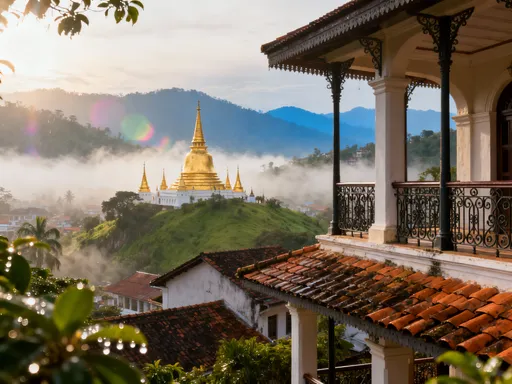
Arriving in Kandy from Colombo, travelers notice an immediate shift—not only in temperature but in atmosphere. The humid coastal air gives way to a cooler, mist-laced breeze as the train winds up the hill country, revealing terraced plantations and glimpses of red-tiled rooftops nestled among emerald hills. Kandy does not announce itself with grandeur but unfolds gradually, like a well-kept secret. Its streets curve organically around hills and lakes, avoiding rigid grids, reflecting a deep respect for the natural landscape. This organic flow is mirrored in the city’s architecture, where buildings seem to grow from the land rather than impose upon it.
Kandy has long served as a spiritual and cultural heart of Sri Lanka. Once the final capital of the Sinhalese monarchy before British colonization, it holds a unique place in the island’s historical memory. Unlike coastal cities shaped by maritime trade, Kandy evolved as a center of religious learning, royal tradition, and artisanal craftsmanship. Its buildings—whether sacred or domestic—carry this legacy. The city’s designation as a UNESCO World Heritage Site in 1988 recognized not only its iconic Temple of the Sacred Tooth Relic but the broader urban fabric that has preserved centuries of architectural evolution.
What makes Kandy’s architectural identity so compelling is its layered nature. You can stand at a street corner and see a 17th-century temple spire, a 19th-century colonial bungalow with louvered windows, and a modern concrete apartment—all coexisting without jarring dissonance. This harmony arises not by accident but from a shared aesthetic language rooted in proportion, material authenticity, and environmental responsiveness. The city breathes, and its architecture moves with it, shaped by ritual, climate, and community life.
The Heart of It All: Temple Architecture That Commands Awe
At the core of Kandy’s spiritual and architectural identity stands the Temple of the Sacred Tooth Relic, or Sri Dalada Maligawa. This temple complex is not merely a place of worship; it is a living symbol of national unity and Buddhist devotion. Housing what is believed to be the tooth relic of the Buddha, the temple draws pilgrims and visitors from across the world. Its architecture reflects both sacred symbolism and royal patronage, having been expanded and restored by successive Kandyan kings since the 16th century. The complex is enclosed by ornate stone walls and accessed through ceremonial gateways, each intricately carved with floral motifs, guardian deities, and mythological figures.
The main shrine houses the relic chamber beneath a golden canopy, its roof crowned with a multi-tiered *thuparama*—a traditional Sinhalese stupa form representing the Buddha’s enlightenment. Surrounding this central structure are several key architectural elements common in Kandyan temple design. The *mandapa*, an open pavilion supported by carved wooden pillars, serves as a gathering space for rituals and offerings. The *digge*, or drumming hall, is acoustically designed so that the rhythms of ceremonial drums resonate through the complex, marking time and calling devotees to prayer. These spaces are not isolated structures but interconnected nodes in a choreographed spiritual journey.
Materials used in the temple’s construction emphasize permanence and sanctity. Stone forms the foundation and walls, while timber frames support intricately tiled roofs. The woodwork—especially the bracket carvings beneath eaves—is a hallmark of Kandyan craftsmanship, depicting elephants, lions, and floral patterns that symbolize protection, strength, and the flourishing of dharma. Gold leaf accents catch the morning sun, creating a radiant effect that seems to elevate the entire complex beyond the earthly plane. Every architectural decision, from orientation to ornamentation, aligns with cosmological and religious principles.
What truly animates the temple, however, is daily ritual. At dawn and dusk, monks perform *puja* ceremonies accompanied by drumming, chanting, and the waving of oil lamps. The architecture does not merely house these acts—it enhances them. The acoustics of the drum hall carry sound across the courtyard; the elevated platforms draw attention upward, toward the sacred canopy. Visitors often speak of a palpable stillness within the complex, a sense of being inside a vessel designed not just for beauty but for transformation. In this way, Kandyan temple architecture transcends aesthetics to become a conduit for devotion.
Colonial Echoes: When British Style Met Hill Country Climate
As the British established control over Sri Lanka in the early 19th century, Kandy became an administrative center in the hill country, prompting the construction of new buildings that reflected colonial tastes while adapting to local conditions. Unlike the grand neoclassical edifices found in Colombo, Kandy’s colonial architecture is more restrained, practical, and climatically responsive. Bungalows, government offices, churches, and rest houses from this era reveal a fascinating dialogue between European design and tropical reality.
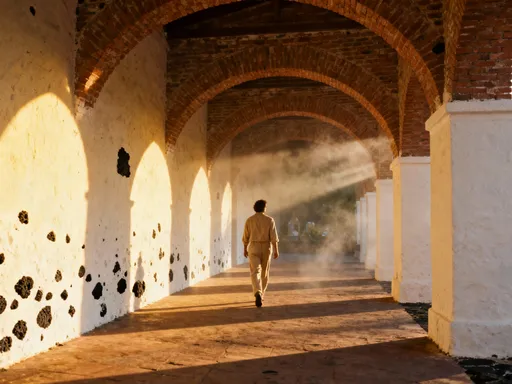
One of the most distinctive features of these buildings is their adaptation to the highland climate. With cooler temperatures and frequent rainfall, British architects incorporated wide eaves, high ceilings, and deep verandas—elements borrowed from local traditions but reinterpreted in a colonial idiom. Verandas wrapped around homes provided sheltered outdoor living spaces, ideal for morning tea or evening conversation. Tall windows with louvers allowed cross-ventilation, reducing humidity and maintaining comfort without mechanical cooling. Pitched roofs covered in clay tiles helped shed rainwater efficiently, while thick walls made of brick or stone provided thermal mass, stabilizing indoor temperatures.
Many of these colonial-era buildings still stand today, repurposed for contemporary use. The former British Resident’s Lodge now houses the Kandy Museum, showcasing artifacts from the Kandyan period and colonial history. St. Paul’s Church, built in 1843, remains an active place of worship with its Gothic-style pointed arches and stained-glass windows, yet its interior remains cool and airy thanks to elevated flooring and ceiling vents. Some bungalows have been converted into boutique hotels or private residences, where original fireplaces, hardwood floors, and ceiling roses are preserved alongside modern amenities.
The preservation of these structures speaks to a growing awareness of Kandy’s architectural heritage. While some buildings have suffered from neglect or inappropriate renovations, others have benefited from restoration projects supported by heritage organizations and government agencies. These efforts emphasize authenticity—using traditional materials and techniques—while ensuring structural safety. The result is a cityscape where colonial architecture doesn’t feel foreign but integrated, contributing to Kandy’s unique visual rhythm. Rather than erasing the past, these buildings remind residents and visitors alike of the complex layers that shape the city’s identity.
Everyday Elegance: Traditional Kandyan Homes and Urban Living
Beyond temples and colonial relics, the residential architecture of Kandy offers a quiet testament to local wisdom and aesthetic refinement. Traditional Kandyan homes, often found on the city’s outskirts or nestled along hillside roads, reflect a deep understanding of terrain, climate, and family life. Built primarily from timber, clay, and natural stone, these houses blend functionality with artistry, creating spaces that are both practical and spiritually grounded.
A typical Kandyan home features a raised foundation made of stone or brick, protecting against moisture and pests. The superstructure is built with timber frames, often using durable local hardwoods like teak or ebony. Roofs are steeply pitched and covered with red clay tiles, designed to handle the region’s heavy monsoon rains. Wide overhanging eaves provide shade and protect walls from rain splash, while verandas wrap around one or more sides, offering shaded outdoor space for relaxation or socializing. Windows are usually latticed or shuttered, allowing airflow while maintaining privacy.
What sets these homes apart is the craftsmanship. Wooden beams and pillars are often carved with floral or geometric patterns, echoing motifs seen in temple architecture. Door frames may feature symbolic carvings—lotus blossoms for purity, elephants for prosperity, or peacocks for grace. Even modest homes display attention to detail, suggesting that beauty was not a luxury but a daily expectation. Interiors are typically arranged around a central hall used for family gatherings, with smaller rooms branching off for sleeping or storage. Floors are polished wood or terracotta, and lighting comes from natural sources or oil lamps, reinforcing a connection to tradition and simplicity.
Today, many of these homes are being renovated to meet modern living standards while preserving their character. Some families add glass windows, tiled bathrooms, or solar panels, but do so thoughtfully, avoiding drastic alterations that would compromise the original design. In certain neighborhoods, local guidelines encourage the use of traditional materials and forms, helping maintain the visual continuity of the streetscape. This balance between preservation and progress reflects a broader cultural value: honoring the past without being bound by it. For residents, living in a Kandyan home is not just about shelter—it’s about belonging to a lineage of care, craftsmanship, and harmony with nature.
Hidden Layers: Smaller Shrines, Rest Houses, and Market Structures
While grand temples and colonial buildings often capture the spotlight, Kandy’s architectural richness also lies in its smaller, everyday structures. Scattered throughout the city and surrounding villages are modest shrines known as *devales*, dedicated to local deities or guardian spirits. These small sanctuaries, often painted in bright colors and adorned with simple carvings, serve as places of personal prayer and community offerings. Built with stone bases and timber roofs, many feature miniature versions of temple elements—*mandapas*, carved pillars, and ornamental finials—demonstrating how sacred design principles extend beyond major religious sites.
Equally significant are the rest houses and pavilions found along pilgrimage routes and village paths. Known locally as *ambalamas*, these structures were historically built to shelter travelers, monks, and traders. Typically open on all sides with a pitched roof supported by wooden columns, they provide shade and seating without enclosing space, reflecting a cultural emphasis on hospitality and shared use. Many *ambalamas* are maintained by village committees or religious groups, with repairs carried out using traditional methods. Their continued existence speaks to a communal ethic of care and continuity.
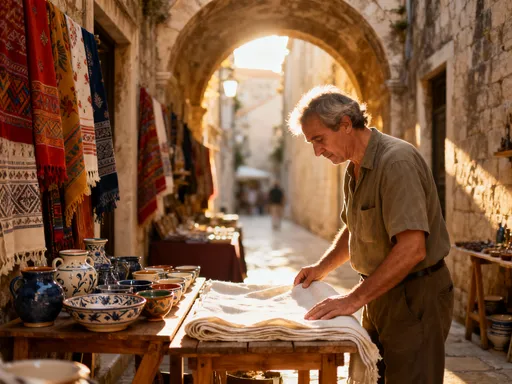
In Kandy’s bustling markets, functional architecture takes on aesthetic charm. Canopies made of corrugated metal or thatch protect vendors from sun and rain, while wooden stalls display goods in orderly rows. Some market structures incorporate recycled materials—old doors, window frames, or tiles—adding texture and history to their design. Even temporary shelters during festivals are constructed with care, using bamboo frames and fabric covers arranged in symmetrical layouts that echo formal architecture. These spaces, though utilitarian, reflect an innate sense of order and beauty that permeates daily life.
What unites these smaller structures is their reliance on natural materials and local labor. Stone, wood, clay, and thatch are sourced regionally, minimizing environmental impact and supporting traditional trades. Craftsmen who carve pillars, lay tiles, or weave thatch often learn their skills from elders, passing down knowledge through generations. This continuity ensures that even as Kandy modernizes, the spirit of its architectural heritage remains alive in the smallest details. These hidden layers may go unnoticed by casual visitors, but they form the quiet backbone of the city’s built environment.
Design Meets Nature: How Landscape Shapes Kandy’s Built Environment
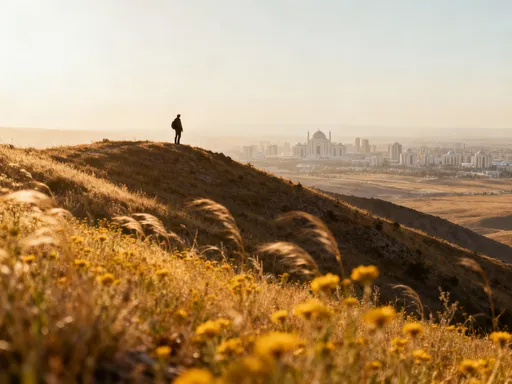
Kandy’s architecture cannot be understood apart from its landscape. Nestled in a bowl-shaped valley surrounded by forested hills and centered around the tranquil Kandy Lake, the city’s layout is a direct response to topography and ecology. Unlike flat urban centers that impose geometric order, Kandy flows with the land, its roads curving around slopes and buildings stepping up hillsides in terraced formations. This integration with nature is not merely aesthetic—it is a practical necessity shaped by centuries of adaptation.
Terraced construction is one of the most visible responses to the hilly terrain. Homes, temples, and public buildings are often built on leveled platforms supported by stone retaining walls. These terraces prevent erosion, manage runoff, and create usable space where flat ground is scarce. Drainage systems—simple channels carved into stone or lined with brick—guide rainwater away from structures, reducing flood risk during monsoon seasons. Trees are preserved wherever possible, their canopies shading buildings and stabilizing soil. In many cases, construction begins only after careful assessment of slope stability and water flow, reflecting a deep respect for environmental limits.
Urban planning in Kandy also considers microclimates. South-facing slopes receive more sunlight and are often chosen for homes, while north-facing areas, cooler and shadier, may host storage buildings or forested zones. Vegetation is integrated into the built environment—mango, jackfruit, and coconut trees line streets and compound walls, providing food, shade, and habitat for birds. Public spaces like temple courtyards and park gardens are designed to capture breezes and offer relief from humidity, making them natural gathering spots throughout the day.
Compared to other hill cities in South Asia—such as Darjeeling in India or Bhaktapur in Nepal—Kandy stands out for its seamless fusion of sacred, civic, and domestic architecture within a compact urban footprint. While other cities may segregate religious and residential zones, Kandy interweaves them, creating a tapestry where spiritual and everyday life coexist. This integration, supported by thoughtful land use and ecological awareness, makes Kandy not just beautiful but resilient—a model of sustainable urbanism long before the term existed.
Preserving the Past While Building Tomorrow
As Kandy continues to grow, it faces increasing pressure to modernize—pressure that sometimes threatens its architectural integrity. New construction, driven by tourism and urban demand, occasionally disregards heritage guidelines, resulting in buildings that clash with the city’s character. Concrete high-rises, reflective glass facades, and oversized signage can disrupt the visual harmony of historic neighborhoods. Traffic congestion and pollution further strain the delicate balance between development and preservation.
Yet, there is also reason for hope. UNESCO’s designation has spurred conservation efforts, including documentation of historic buildings, training for local artisans, and incentives for heritage-sensitive renovations. The Department of Archaeology and the Central Cultural Fund work with communities to restore temples, *ambalamas*, and colonial structures using authentic materials and techniques. In some cases, property owners receive grants or tax benefits for maintaining traditional features, encouraging stewardship at the grassroots level.
Local initiatives also play a vital role. Heritage walks, architectural festivals, and school programs raise awareness about the value of Kandy’s built environment. Community groups organize clean-up drives and repair projects, reinforcing a sense of ownership and pride. Architects and planners are increasingly advocating for design codes that blend tradition with innovation—such as using modern insulation within clay-tiled roofs or incorporating rainwater harvesting into new homes inspired by Kandyan forms.
The future of Kandy’s architecture lies in this balance: respecting the past while embracing change. Sustainable tourism, green building practices, and community-led planning offer pathways forward. Imagine new public buildings that echo temple proportions, schools with verandas and natural ventilation, or housing projects that follow terraced patterns—all designed with both beauty and function in mind. Progress does not require demolition; it can mean thoughtful evolution. Kandy’s buildings have survived war, colonization, and time. With care, they can continue to guide the city into the future, not as relics but as living teachers.
Kandy’s architecture is more than style—it’s memory made visible. Each roofline, carving, and courtyard reflects centuries of adaptation, faith, and identity. As cities modernize, Kandy stands as a reminder that progress doesn’t require erasing the past. Instead, it invites us to build forward with respect, letting history guide the way. Visit not just to see, but to understand how a city can live gracefully between eras.