You Gotta See How Hokkaido’s Architecture Tells Its Story
Hokkaido isn’t just about snow fields and hot springs—its architecture quietly steals the show. From rustic Ainu wooden homes to Meiji-era brick warehouses in Sapporo, every building feels like a page from a well-worn history book. I never expected charm in train stations or old factories, but here, even barns have character. If you’re into places where design meets culture, this is your jam. Let me take you through the styles that shape Hokkaido’s soul—practical, yes, but deeply moving too.
First Impressions: What Makes Hokkaido’s Architecture Unique?
Hokkaido’s built environment stands apart from the rest of Japan, shaped by its northern latitude, harsh winters, and layered cultural history. While much of Japan’s traditional architecture emphasizes lightness—sliding paper doors, elevated wooden floors, and minimal insulation—Hokkaido’s buildings are born of necessity. They must withstand heavy snowfall, biting winds, and long months of cold. As a result, the island’s architecture leans into durability, with steeply pitched roofs to shed snow, thick timber frames, and tightly sealed windows. These practical choices create a visual language all their own—one of solidity, warmth, and quiet resilience.
The contrast with southern Japan is striking. In Kyoto or Kanazawa, homes and temples often embrace open-air designs, with gardens flowing seamlessly into living spaces. But in Hokkaido, the boundary between inside and outside is more defined. Buildings are grounded, often partially sunken or built with deep foundations to resist frost heave. Materials are chosen not for elegance alone but for endurance. You’ll see fewer delicate lattices and more reinforced joints, fewer paper screens and more double-glazed windows. This is not a rejection of beauty, but a redefinition of it—where form follows function in the most poetic way.
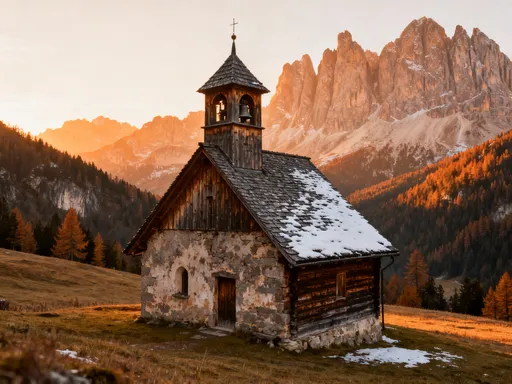
Climate is the silent architect here. Winter snowfall can exceed five meters in some regions, making roof pitch a matter of survival. A shallow slope would collapse under the weight. So, barns, homes, and even small shrines feature dramatic angles, often covered in corrugated metal or heavy tiles. Wind patterns have influenced building orientation, with many structures aligned to minimize exposure. Even the spacing between buildings in rural areas accounts for snowdrifts and access during blizzards. These subtle adaptations are rarely highlighted in travel guides, but they speak volumes about how deeply architecture is woven into daily life.
Tracing History: From Ainu Settlements to Colonial Influence
To understand Hokkaido’s architectural soul, one must begin with the Ainu, the island’s original inhabitants. Their traditional dwellings, known as *chise*, were ingeniously designed for the subarctic climate. Built with bent saplings and covered in bark or reed mats, these dome-shaped homes were partially sunken into the ground for insulation. A central hearth provided warmth and a place for cooking, with smoke escaping through a hole in the roof. The layout was communal and intimate, reflecting a worldview deeply connected to nature. Though few original *chise* remain, reconstructions in cultural villages like the Shiraoi Ainu Museum offer a powerful glimpse into this heritage.
The 19th century brought a seismic shift. After the Meiji Restoration in 1868, the Japanese government launched a formal colonization of Hokkaido, then known as Ezo. With it came a wave of settlers, planners, and architects from mainland Japan and abroad. The goal was not just settlement but modernization. American and European engineers were hired to design Sapporo, the new capital, with a grid layout inspired by Western cities. This marked the beginning of Hokkaido’s architectural duality—a blend of indigenous traditions and imported styles.
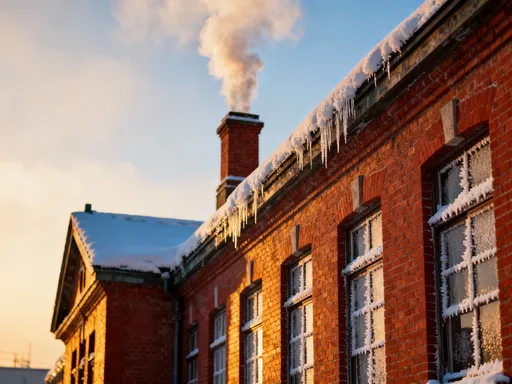
One of the most visible legacies of this era is the red-brick architecture that still defines parts of Sapporo. The Former Hokkaido Government Office, completed in 1888, is a prime example. Designed by Japanese architect Ichiro Matsukawa with input from American advisors, it features a symmetrical façade, arched windows, and a central tower reminiscent of New England civic buildings. Though damaged by fire and rebuilt, it remains a symbol of Hokkaido’s modernizing spirit. Other Meiji-era structures—post offices, schools, and warehouses—followed similar patterns, using brick and stone to convey stability and progress.
Sapporo’s Architectural Layers: Where Old Meets New
Sapporo is a city of contrasts, where glass skyscrapers rise beside century-old brick facades. This coexistence is not accidental but intentional—a reflection of how the city values both progress and preservation. The Former Hokkaido Government Office, affectionately called the “Red Brick Office,” is meticulously maintained and open to the public. Its grounds are a favorite spot for cherry blossom viewing in spring and illuminated displays in winter. The building’s survival through fires, earthquakes, and urban renewal debates speaks to its cultural significance.
Just a short walk away, Odori Park stretches for over a kilometer, dividing the city into neat grids. Flanking the park are modern office towers, department stores, and hotels, yet the skyline never feels overwhelming. This balance is due in part to strict zoning laws and a public appreciation for open space. Along the park’s edges, you’ll find low-rise buildings with subtle nods to Hokkaido’s past—wooden trim, gabled roofs, and warm-toned exteriors that soften the urban feel. Even new constructions often incorporate elements like exposed timber or textured masonry, creating a sense of continuity.
For the curious traveler, a walking tour through Sapporo’s historic districts reveals hidden gems. Tanukikoji Shopping Street, one of the city’s oldest covered arcades, blends retro charm with everyday life. Beneath its glass roof, small shops sell everything from dried seafood to handmade crafts. Nearby, narrow lanes branch off into quieter neighborhoods, where Meiji- and Taisho-era homes still stand. Some have been converted into cafes or boutiques, their wooden facades and latticed windows offering a quiet contrast to the city’s bustle. These pockets of history are not museum pieces but living parts of the city’s fabric.
Beyond the City: Rural Design That Works With Nature
Leave Sapporo behind, and Hokkaido’s countryside unfolds in a patchwork of fields, forests, and small towns. Here, architecture takes on a quieter, more functional role—but no less beautiful. In dairy farming regions like Hokuryu and Biei, farmhouses are built for efficiency and endurance. Their sloped roofs, wide eaves, and sturdy frames are not stylistic choices but responses to the environment. Snow accumulates on the ground, not on the roof, thanks to angles often exceeding 45 degrees. Corrugated metal siding resists corrosion from salt-laden winds near the coast, while thick timber walls provide insulation.
What’s remarkable is how these utilitarian structures still possess a kind of grace. A barn in Furano, painted faded red with a weathered tin roof, stands against a backdrop of lavender fields in summer or snow-draped hills in winter. The simplicity of form—rectangular volumes, minimal ornamentation, functional porches—creates a visual rhythm across the landscape. Even storage sheds and animal shelters are carefully sited, often positioned to block prevailing winds or maximize sunlight during short winter days.
Local materials play a crucial role. Hokkaido is rich in timber, particularly Hokkaido spruce and Sakhalin fir, both known for their strength and resistance to moisture. Many rural builders still use these woods, either milled locally or left in their natural state. The scent of fresh-cut cedar lingers in newly built homes, and the grain of the wood is often left exposed inside, adding warmth to interiors. This connection to material and place gives rural architecture a grounded authenticity that mass-produced housing lacks.
Onsen Towns and Their Distinct Aesthetic Language
Nowhere is Hokkaido’s architectural sensitivity more evident than in its onsen towns. Places like Noboribetsu, Kuttara, and Jozankei are built around natural hot springs, and their design reflects a deep respect for the surrounding environment. Traditional ryokan—Japanese inns—are typically low-rise, with wooden exteriors that blend into forested slopes. Their roofs are often covered in dark shingles or metal, designed to mimic the tones of wet bark or shadowed earth. This camouflage is not just aesthetic; it’s a way of minimizing visual disruption in delicate ecosystems.
The bathhouse itself is the heart of the onsen experience, and its architecture enhances the sense of tranquility. Many feature stone foundations that anchor the structure to the ground, with wooden decks leading to open-air baths, or *rotemburo*. Steam rises from the water, curling into the cold air, while large windows frame views of snow-covered trees or rushing streams. The design prioritizes flow—between indoor and outdoor, between body and nature. Sliding doors, low ceilings, and tatami-floored lounges create intimate spaces that encourage stillness and reflection.
Light plays a subtle but powerful role. In winter, the low sun casts long shadows across wooden walkways, highlighting the texture of aged planks. In summer, dappled light filters through leaves, dancing across paper screens. Even the placement of windows is deliberate—angled to protect privacy while capturing scenic views. These details are not accidental; they are the result of generations of craftsmanship and an understanding that architecture should serve both comfort and spirit.
Preservation and Innovation: How Hokkaido Keeps Its Style Alive
Across Hokkaido, there is a growing movement to preserve architectural heritage—not as frozen relics, but as living spaces. Old schoolhouses, once slated for demolition, have been transformed into community centers, cafes, and small museums. In the town of Date, a former post office now houses a local history exhibit, its brick walls and high ceilings repurposed with care. These adaptive reuse projects honor the past while serving present needs, proving that preservation and progress are not mutually exclusive.
At the same time, new construction in Hokkaido increasingly draws from traditional methods. Architects are incorporating steep roof designs, natural materials, and passive heating techniques into modern homes. Some blend Western-style layouts with Japanese elements like engawa (verandas) and irori (sunken hearths), creating hybrid spaces that feel both contemporary and rooted. This is not nostalgia, but innovation—using old wisdom to solve new challenges, such as energy efficiency and climate resilience.
Community involvement is key. In villages like Shimukappu and Kamoenai, residents have formed preservation groups to maintain historic buildings and advocate for thoughtful development. Workshops teach traditional carpentry skills to younger generations, ensuring that knowledge is not lost. These efforts are supported by local governments and tourism boards, recognizing that authentic architecture is a draw for visitors seeking meaningful experiences. The goal is not to turn Hokkaido into a theme park, but to let its built environment evolve with integrity.
Traveler’s Lens: How to Appreciate Architecture Without Being an Expert
You don’t need a degree in architecture to appreciate Hokkaido’s built environment. Start by slowing down. Instead of rushing from attraction to attraction, take time to observe the details. Notice how a farmhouse’s roof extends far beyond the walls—this overhang protects the foundation from melting snow. Look at window placements; in older buildings, they’re often grouped together to reduce heat loss. Run your hand over a wooden door or stone wall and feel the texture. These small acts of attention deepen your connection to a place.
The best time to see Hokkaido’s architecture depends on what you want to experience. Winter offers a clean, monochromatic canvas—snow blankets the ground, highlighting rooflines and silhouettes. A red barn against a field of white is unforgettable. But summer reveals different charms. Greenery softens hard edges, and sunlight brings out the warmth in wood and brick. Autumn, with its golden fields and crisp air, offers balanced lighting and fewer crowds. Each season tells a different story through the lens of architecture.
For a focused itinerary, start in Sapporo and walk the historic districts. Then head north to Asahikawa to see well-preserved merchant homes, or east to Kushiro for coastal architecture adapted to fog and wind. Rural loops through Tokachi and Rumoi offer chances to see working farmsteads and quiet villages. Don’t overlook small train stations—many are modest wooden structures with steep roofs and welcoming platforms, each with its own character. These everyday buildings, often ignored, are where Hokkaido’s architectural heart truly beats.
Hokkaido’s architecture isn’t about grand monuments—it’s in the quiet strength of a snow-covered barn or the warm glow of a preserved brick facade. It reflects resilience, adaptation, and cultural blending in ways words often can’t. By noticing these structures, travelers gain a deeper connection to the island’s identity. Whether you’re walking Sapporo’s streets or driving through open farmland, take a moment to look closer. The buildings here don’t shout—they whisper stories worth hearing.