You Gotta See Dunedin Through the Lens — These Viewpoints Are Unreal
If you’ve ever chased golden hour light or hiked just for a killer skyline, Dunedin’s viewpoints will speak straight to your soul. I didn’t expect much beyond penguins and old stone buildings, but wow — this city hides some of the most breathtaking photo spots in New Zealand. From coastal cliffs to silent hilltops at dawn, every frame feels alive. Whether you're packing a DSLR or just using your phone, Dunedin delivers raw, unfiltered beauty. Let me show you where to stand, when to go, and why these places deserve a spot in your gallery.
Why Dunedin? The Photographer’s Unexpected Playground
Dunedin is often introduced as a city of heritage—its Gothic Revival architecture, historic university, and reputation as a cultural hub in the South Island. But beneath that scholarly surface lies a landscape sculpted by ancient volcanoes and shaped by the wild Southern Ocean. For photographers, this blend of natural drama and urban texture creates a rare kind of visual alchemy. The city rises and falls across steep hills, revealing sudden panoramas at the turn of a corner. Streets cascade into harbors, cliffs plunge into roaring surf, and the light—especially in the late afternoon—has a soft, melancholic glow that few places in New Zealand can match.
What makes Dunedin especially rewarding for image-makers is its relative quiet. Unlike Queenstown or Fiordland, which draw massive crowds, Dunedin remains under the radar for many international visitors. This means fewer people cluttering your shot, more time to compose in peace, and a greater chance of capturing the city in its most authentic, unposed moments. Early mornings in the suburbs, when mist curls over rooftops and the first sun hits sandstone facades, feel like stepping into a carefully lit studio set—only it’s all real, untouched, and waiting.
The convergence of nature and city life here is seamless. You can shoot a seabird colony at sunrise, drive 20 minutes, and photograph Victorian-era streetlamps glowing in the fog. The Otago Peninsula, a long finger of land east of the city, hosts rare wildlife and dramatic coastal formations. Meanwhile, the inner city pulses with art galleries, student energy, and architectural detail that rewards close inspection. Whether you're drawn to wide-angle seascapes or intimate street scenes, Dunedin offers both contrast and cohesion—a place where every lens setting finds its purpose.
Baldwin Street & the Octagon: Urban Contrast with a View
No visit to Dunedin feels complete without standing at the foot of Baldwin Street, officially recognized as the world’s steepest residential street. While it may seem like a novelty, the real photographic magic lies in how the street interacts with its surroundings. Framed against the city’s hilly skyline, the narrow, sharply inclined road becomes a powerful leading line. When shot from below, especially at sunrise, the steep cobblestones draw the eye upward, past parked cars and weathered homes, all the way to the soft morning sky. The angle exaggerates depth, creating a sense of vertical drama that’s hard to find in most urban environments.
For a broader cityscape, the Octagon—the central plaza ringed by historic buildings and flanked by the Town Hall and St. Paul’s Cathedral—offers a different kind of energy. This is where city life unfolds in full color: buskers playing fiddles, students grabbing coffee, pigeons scattering across flagstones. The key to capturing its essence is timing. Arrive just after dawn, when the square is nearly empty and the light slants across the stone columns, and you’ll find a stillness that makes the architecture feel timeless. Return in the evening, when streetlights flicker on and reflections shimmer on wet pavement, and the mood shifts to something warmer, more intimate.
Use a mid-range zoom lens to isolate details—the ornate carvings on a lamppost, the steam rising from a café vent, the way shadows stretch across the Octagon’s grassy center. A polarizing filter helps reduce glare on glass and stone, while a tripod allows for crisp long exposures during twilight. These urban scenes may not involve sweeping coastlines, but they tell a story of a city rooted in history yet alive with daily rhythm. And when you combine shots from Baldwin Street and the Octagon, you create a visual dialogue between the dramatic and the everyday—one of Dunedin’s quietest strengths.
Signal Hill: Sunset That Stops Time
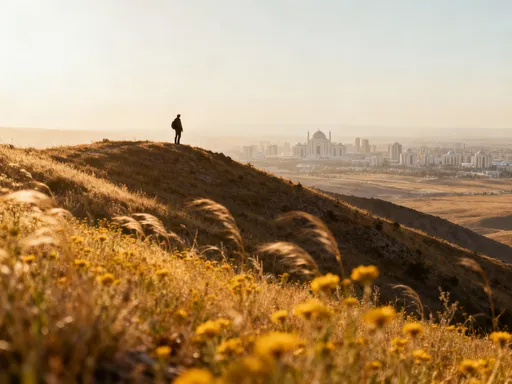
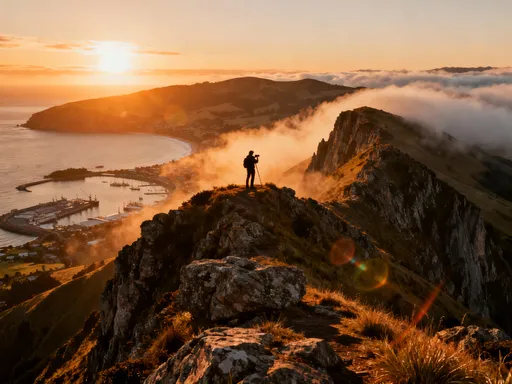
Rising just north of the city center, Signal Hill is one of Dunedin’s most accessible and rewarding vantage points. A well-maintained trail, beginning near the suburb of Pine Hill, leads to a summit that offers a 360-degree panorama of the city, harbor, and peninsula. What makes this spot extraordinary isn’t just the view—it’s the way the light transforms everything as the sun dips below the horizon. In those final golden minutes, the Otago Harbour glows like liquid amber, the city’s rooftops blush in warm tones, and the distant hills fade into soft silhouettes. It’s a moment that feels suspended, as if the world has paused just long enough for you to capture it.
The hike itself is modest—about 45 minutes from the base, with a steady but manageable incline. This makes it ideal for photographers of all fitness levels, including those traveling with family. The trail winds through native scrub and open grassland, offering occasional glimpses of the city below. Along the way, there are unofficial side paths that lead to alternative lookouts, each with its own framing of the harbor or peninsula. Arriving at least an hour before sunset ensures you have time to scout compositions, set up your gear, and adjust to the changing light.
For best results, bring a wide-angle lens to capture the vastness of the scene, and a telephoto if you want to isolate distant elements like a lone boat on the water or the lighthouse at Taiaroa Head. A tripod is essential for long exposures during twilight, especially if you want to smooth out water movement or capture star trails after dark. A light jacket is also wise—the summit can be windy, even on calm days. The air is crisp, the silence nearly total, broken only by the rustle of grass or the distant cry of a gull. This stillness enhances the experience, turning photography into something meditative.
Signal Hill is especially striking in autumn and early winter, when the low sun casts long shadows and the skies are often clear. But even on overcast days, the moody atmosphere lends itself to dramatic monochrome shots. The hill’s accessibility and consistent payoff make it a must-visit—not just for the view, but for the feeling it evokes. Standing there, camera in hand, you’re not just taking photos. You’re bearing witness to a city framed by nature, glowing in the quiet light of day’s end.
Taiaroa Head: Where the Ocean Meets the Sky
At the tip of the Otago Peninsula, Taiaroa Head is where land ends and the ocean begins in the most dramatic fashion. This headland is not only a geological marvel—sheer cliffs rising from pounding surf—but also a sanctuary for wildlife, most notably the royal albatross, one of the largest flying birds in the world. For photographers, the combination of rugged coastline, dynamic weather, and living motion creates an endlessly compelling subject. Waves explode against rock formations, seabirds glide on thermal winds, and the lighthouse stands as a solitary sentinel against the vastness of the Pacific.
The Royal Albatross Centre, operated by the Otago Peninsula Trust, provides boardwalk access to viewing platforms that allow close observation without disturbing the nesting birds. From these vantage points, you can capture albatrosses launching into flight, their ten-foot wingspans catching the wind with effortless grace. Early morning light is ideal—soft and directional, it highlights the texture of feathers and the contours of the cliffs. A telephoto lens (at least 300mm) is recommended to fill the frame without encroaching on the birds’ space. Patience is key; the best shots often come after waiting quietly, letting the animals move naturally within your composition.
But Taiaroa Head offers more than wildlife. The interplay of sea and sky here is constantly shifting. On stormy days, waves crash with thunderous force, sending plumes of spray high into the air—perfect for high-speed shutter shots that freeze the chaos. On calmer days, the ocean reflects the sky like a mirror, creating surreal, dreamlike images. The lighthouse, painted white with a red stripe, adds a human element to the wildness, a symbol of endurance against the elements. Framing it with crashing waves or a flock of gulls in flight adds narrative depth to your photos.
Visiting during different seasons reveals new moods. In spring, the headland blooms with native flowers, softening the landscape. In winter, storm clouds roll in from the south, casting dramatic shadows across the water. Regardless of when you go, check the tide and weather forecasts. Strong winds are common, so use a sturdy tripod and protect your gear with a rain cover. And always respect the boundaries—this is a protected area, and preserving its integrity ensures future generations can experience its beauty. Taiaroa Head isn’t just a photo location; it’s a reminder of nature’s power and grace, captured in a single frame.
Larnach Castle Grounds: Gothic Drama in Golden Hour
Perched on the slopes of the Otago Peninsula, Larnach Castle is more than a tourist attraction—it’s a stage set for photographic storytelling. Built in the 1870s, this Gothic Revival mansion stands against a backdrop of rolling hills and the glittering waters of Otago Harbour. While the interior offers period charm, it’s the castle’s gardens and terraces that provide the most cinematic views. Wide lawns, stone balustrades, and carefully landscaped flowerbeds lead the eye toward sweeping vistas, making it a prime location for combining architecture with natural beauty.
Golden hour here is nothing short of magical. As the sun lowers, it bathes the sandstone walls in warm light, while the harbor below turns gold and violet. The contrast between the castle’s ornate details and the wildness of the surrounding landscape creates a tension that’s visually captivating. Use a wide-angle lens to include both the castle and the horizon, or zoom in on architectural elements—the arched windows, the turret roofs—framed against the sky. Reflections in puddles or glass surfaces after rain can add an extra layer of depth and symmetry.
The gardens themselves are a subject worth exploring. The award-winning “Garden of International Significance” features rhododendrons, camellias, and exotic shrubs that bloom in bursts of color throughout the year. In spring, the pink and white blossoms contrast beautifully with the grey stone. In autumn, fallen leaves create a natural carpet, perfect for low-angle shots. Pathways lined with hedges and topiaries offer leading lines, while hidden nooks invite quiet, contemplative compositions.
While the castle can attract visitors, arriving early in the day or just before closing reduces foot traffic and softens the crowds in your shots. A polarizing filter helps manage reflections on glass and water, while a neutral density filter allows for longer exposures of clouds moving across the sky. The elevated position also makes it an excellent spot for twilight photography—once the castle lights come on, the warm glow against the darkening sky creates a fairy-tale atmosphere. Larnach Castle isn’t just a relic of the past; it’s a living canvas, where history, horticulture, and light come together in perfect harmony.
Port Chalmers: The Quiet Harbor with a Soul
Just a 15-minute drive from Dunedin’s center, Port Chalmers feels like stepping into a different era. This small port town, nestled along a quiet arm of the harbor, exudes a weathered charm that’s irresistible to photographers drawn to texture, mood, and story. Its wooden wharves, painted in peeling blues and greys, stretch into the water, reflecting in the tide. Colorful cottages climb the hillside, their gardens spilling over stone walls. Fog often drapes the morning harbor, softening edges and creating a dreamlike atmosphere that feels more like a painting than a photograph.
The town’s maritime history is evident in every detail—the old cranes, the rusted rail tracks, the fishing boats bobbing at moorings. These elements add a sense of time and narrative to your images. A well-composed shot might include a weathered sign, a rope coiled on deck, or a single figure walking the wharf at dawn. Because Port Chalmers is still an active port, there’s a quiet industry to observe—cranes loading containers, workers in high-vis vests, the occasional ferry arriving from the city. But the pace is slow, contemplative, never frantic.
For analog-style photography, this is paradise. The muted colors, soft light, and layered textures mimic the look of film—especially in overcast conditions. A 35mm or 50mm prime lens works beautifully for street-style shots, while a macro lens can capture the intricate details of rust, peeling paint, or moss growing between planks. Black-and-white conversions often enhance the mood, emphasizing contrast and form over color.
Beyond the docks, Port Chalmers has a thriving arts scene. Galleries and studios line the main street, many housed in repurposed industrial buildings. These spaces double as unique backdrops—imagine a vibrant mural behind a vintage bicycle, or a sculptor’s tools arranged in natural light. The annual Port Chalmers Market draws locals and visitors alike, offering candid shots of community life. But even on quiet weekdays, the town rewards the patient observer. Sit on a bench with your camera, watch the light shift, and let the story unfold. Port Chalmers doesn’t shout; it whispers. And in that whisper, there’s a kind of beauty that stays with you long after you’ve packed your gear.
Hidden Lookouts: Off-the-Beaten-Path Gems
For those willing to venture beyond the main routes, Dunedin offers a collection of lesser-known lookouts that feel like private discoveries. These spots require a bit more planning—checking tides, wearing proper footwear, and sometimes navigating unmarked paths—but the rewards are immense. They offer solitude, intimacy, and the chance to capture Dunedin in its most untouched state.
One such place is Tunnel Beach, located south of the city near St. Clair. The name comes from a hand-carved tunnel through sandstone cliffs, leading to a secluded cove. Accessible only at low tide, the beach reveals rock formations, tide pools, and dramatic arches shaped by centuries of erosion. The tunnel itself, lit from below by seawater, makes for a powerful composition—especially when a figure walks through, silhouetted against the ocean light. Because of tidal constraints, timing is critical. Plan your visit using a reliable tide chart, and allow extra time to explore safely. The surrounding cliffs also offer elevated views, perfect for wide-angle shots that include both land and sea.
Another hidden gem is the headland near Allans Beach, further along the peninsula. Less visited than nearby Sandfly Bay, this area offers sweeping views of rugged coastline and frequent seal sightings. The path is rougher, but the isolation is worth it. On quiet mornings, you might have the entire stretch to yourself. Seals often bask on the rocks, their movements slow and deliberate—ideal for candid wildlife shots. Use a telephoto lens to maintain distance, and shoot in burst mode to capture subtle expressions and gestures.
Other quiet spots include the lookout at Harbour View Road and the walking trails around Harwood Township. These areas offer panoramic views without the crowds of Signal Hill. The key to photographing these places is respect—stay on marked paths, avoid disturbing wildlife, and leave no trace. These locations thrive because they remain unspoiled. By practicing responsible photography, you help preserve their beauty. And when you do capture that perfect shot—a fog-draped cove, a seal pup nuzzling its mother, the sun breaking through storm clouds—you’re not just taking a picture. You’re holding a moment of stillness, a secret shared between you and the land.
Final Frame: Why Dunedin Stays With You
Dunedin doesn’t announce itself with fanfare. It doesn’t need neon signs or crowded viewpoints to prove its worth. Instead, it reveals itself slowly—in the curve of a harbor at dawn, the cry of an albatross over the cliffs, the way light filters through mist on a quiet street. What lingers long after you’ve left isn’t just the beauty of the places you’ve seen, but the stillness they allowed you to feel. In a world that moves too fast, Dunedin offers space—to see, to reflect, to create without distraction.
These viewpoints are more than photo opportunities. They are invitations—to slow down, to look deeper, to connect with a place that hasn’t been shaped by mass tourism. Whether you’re standing on Signal Hill as the city lights flicker on, or crouching on Tunnel Beach waiting for the perfect wave, you’re not just capturing an image. You’re participating in a moment of quiet wonder.
So pack your camera, but leave behind the pressure to perform. Visit Dunedin not for the ‘gram, but for the genuine connection—to its landscapes, its light, its soul. Let the city surprise you, as it surprised me. And when you look through your lens, remember: the best shots aren’t the ones that go viral. They’re the ones that stay with you, quietly, like a memory you never planned to make.